
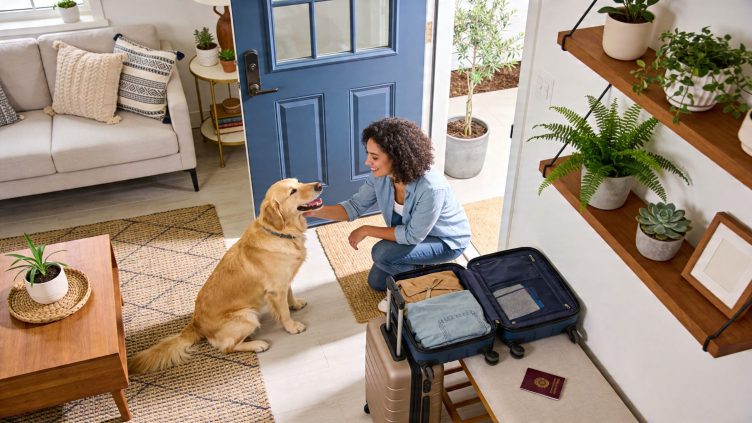
You’ve found the flights. You’ve mapped out a week in New York from your London flat, or a month in London from your New York apartment. Then the practical question lands with a thud. Who’s looking after the dog, the cat, the plants, the post, and the flat itself?
That’s where plenty of otherwise well-planned trips start to wobble. Traditional pet care can be expensive, patchy, or oddly impersonal. Pet and house sitting works best when the arrangement feels grounded in mutual trust rather than a rushed booking. For travellers moving between London and New York, that matters even more. This is one of the priciest travel corridors in the world, so every decision around accommodation and pet care carries more weight.
A good home exchange setup can solve both problems at once. You’re not just reducing travel costs. You’re keeping your pet in its own environment, your home occupied, and your travel plans tied to a real person rather than a transactional app listing.
Table of Contents
- The Modern Traveller’s Dilemma Pet Care and Wanderlust
- How to Find a Sitter You Can Genuinely Trust
- Vetting Your Sitter and Creating a Clear Agreement
- Preparing Your Home and Pet for a Seamless Handover
- Planning for the Unexpected Emergency Protocols
- Embracing a Smarter Way to Travel
The Modern Traveller’s Dilemma Pet Care and Wanderlust
For pet owners, travel planning often splits into two separate jobs. First, finding somewhere to stay. Second, finding someone you trust with the animal who gives your home its rhythm.
That split has become more expensive over time. The global pet sitting market is projected to reach USD 5.14 billion by 2030, growing at a CAGR of 11.8%, according to Grand View Research’s pet sitting market analysis. That growth says something very clear. People increasingly want professional, high-quality care because pets aren’t treated as an afterthought. They’re treated as family.
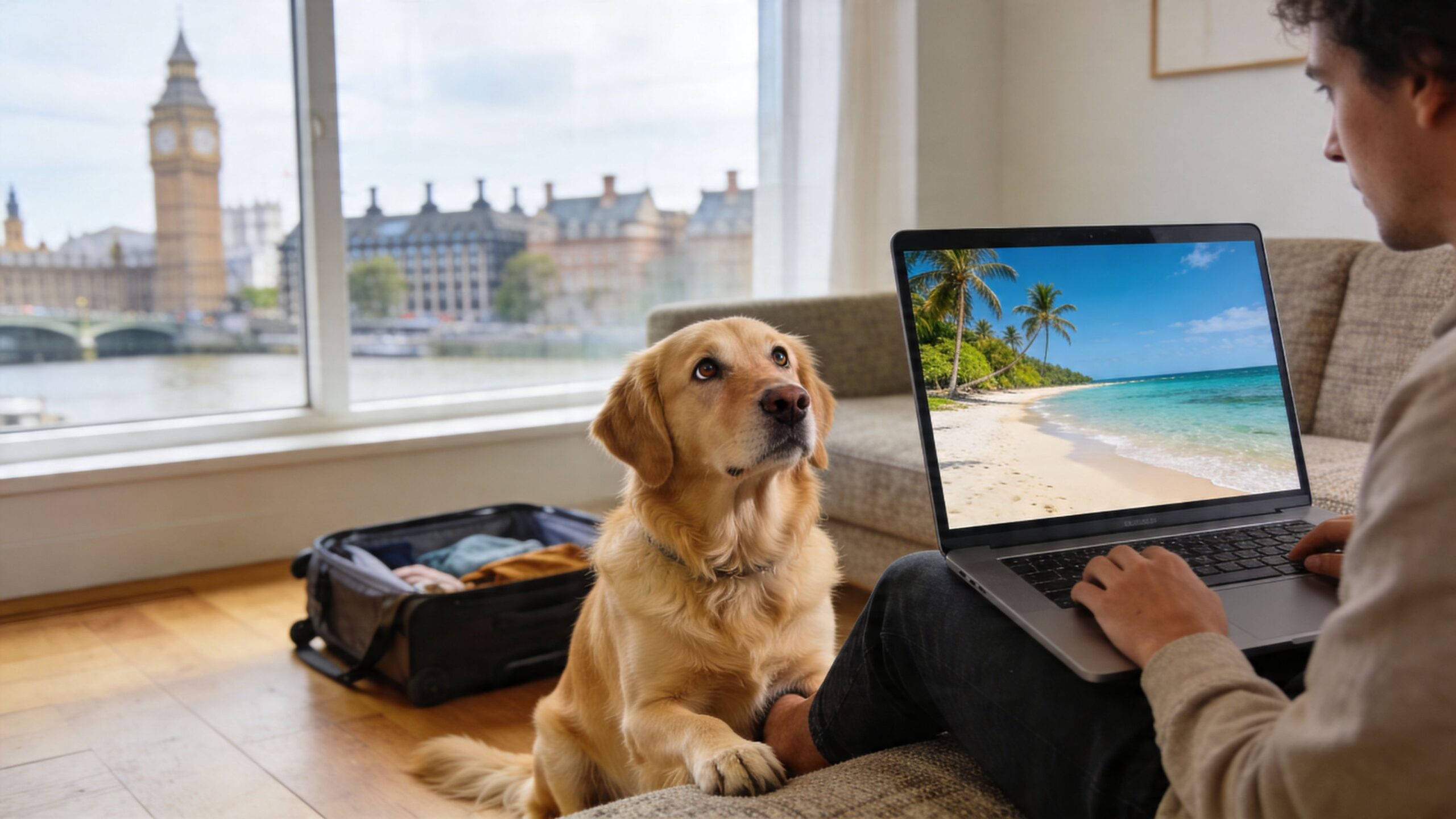
Why the old model feels limiting
If you live in London or New York, you probably know the usual options already. Ask a neighbour. Pay for drop-ins. Book a professional overnight sitter. Board the pet elsewhere and hope they settle.
All of them can work. None of them solves the whole picture.
A paid sitter may care well for the pet but won’t reduce your accommodation bill abroad. Boarding removes the home-security side of the equation. Friends can help, but relying on goodwill gets harder when your trips are longer, your pet needs medication, or your home needs proper oversight.
Pet and house sitting is strongest when it’s not just about animal care. It’s about continuity. The pet keeps its routine, and the home keeps its calm.
If you want a quick primer on the basic model, What is House Sitting is a useful starting point. The more interesting question, though, is where the arrangement lives. On a random marketplace, or inside a community built around reciprocal trust.
Why home exchange changes the equation
Home exchange folds several moving parts into one decision. You’re arranging travel through a person who also has a stake in care, respect, and clarity. That doesn’t remove the need for vetting, but it changes the tone. People tend to communicate differently when the relationship is mutual.
For travellers shuttling between London and New York, that can be the smartest version of pet and house sitting. You avoid the double hit of paying for accommodation away and pet care at home. You also keep your animal in familiar surroundings, which is often easier on nervous pets than a kennel or a series of short visits.
A members-only exchange community can make that process feel far less random than open listing sites. If you want to see how that kind of model is structured, SwapSpace offers a useful example of a platform built around verified stays and reciprocal trust.
How to Find a Sitter You Can Genuinely Trust
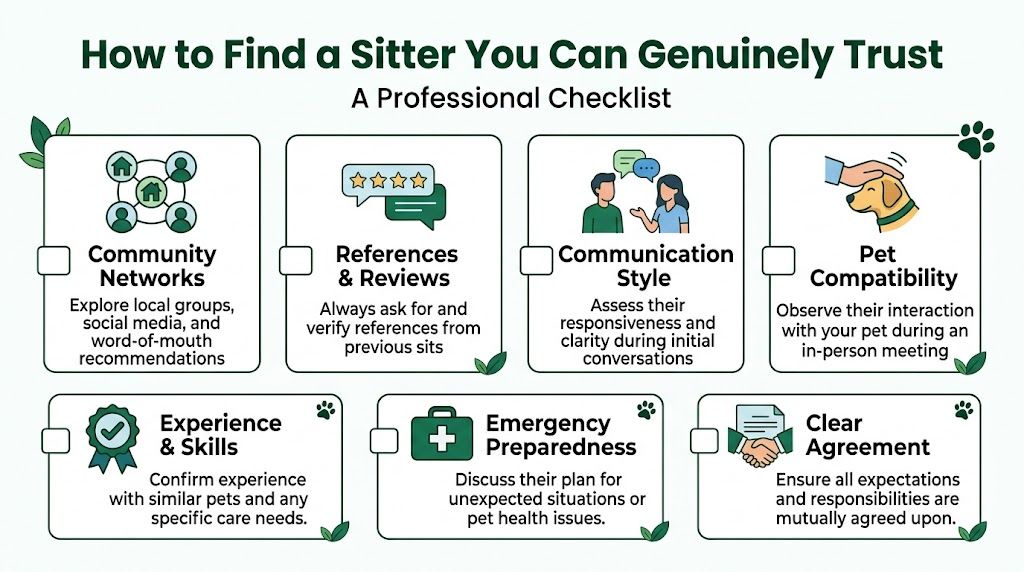
A London flat, a New York trip booked, and a cat that will not cope well with a kennel. The decision often turns on one question. Where do you find someone you would trust with both your pet and your front door keys?
Start with the community, not the individual listing. In pet and house sitting, the setting shapes the standard. Members-only home exchange networks tend to produce better conversations, fuller profiles, and clearer accountability than open marketplaces built around volume. That matters on the London to New York corridor, where travellers are often trying to solve two expensive problems at once: accommodation abroad and care at home.
The platform features that actually matter
Use this as an editorial checklist when comparing home exchange sites.
| Feature | Why it matters in practice | What to watch for |
|---|---|---|
| Verified member profiles | You know who’s staying in your home | Thin profiles, vague bios, no sign of identity checks |
| Direct messaging | You can test communication before agreeing | Delayed replies, evasive answers, overly generic messages |
| Reviews with detail | Past behaviour leaves a trail | Praise with no specifics, or no review history at all |
| Flexible swap options | You’re not limited to same-date exchanges | A rigid system that only works if both calendars match perfectly |
| Clear pricing | You can budget cleanly | Hidden service charges or unclear add-ons |
| Ease of use | Better systems reduce avoidable mistakes | Clunky booking flows, unclear calendars, poor message tools |
For this kind of arrangement, context beats quantity. A sitter with three detailed reviews from other members, a complete profile, and prompt replies is usually a safer bet than someone on a huge listing site with very little traceable history.
Flexibility matters too. London and New York trips rarely line up neatly, especially for longer stays or school-holiday travel. Credit-based exchange systems can make pet and house sitting far more workable because they allow one-way stays without forcing both households into the same dates. SwapCredits are useful for exactly that reason. They turn a good match into a practical booking.
What transparency looks like
Reliable sitters make care visible in ordinary ways.
Look for someone who answers specific questions without dodging them, confirms routines back to you in their own words, and sends updates at the times agreed. For dog owners, that may include walk photos or a quick note after the morning round. For cat owners, it often means confirmation that the animal has eaten, taken medication, and settled.
The aim is not constant monitoring. It is calm, credible communication.
One more point from experience. People who ask thoughtful questions before arrival usually take the job seriously. They want to know where food is stored, how the heating works, whether the dog reacts badly to scooters, or which neighbour has a spare key. That level of attention is useful because it shows they are picturing the stay as real life, not a casual favour.
Practical rule: Choose the person who makes care easy to verify and easy to discuss.
Community beats scale
Large pet sitting marketplaces can feel efficient at first, but they often leave owners doing all the filtering themselves. You pay for reach, then spend hours sorting through thin profiles and generic applications. A members-only exchange community usually asks more from participants up front, and that tends to improve the quality of matches.
For travellers moving between London and New York, that model is especially smart. You are not only arranging cover for a pet. You are using a reciprocal travel system that can cut accommodation costs, keep your animal in familiar surroundings, and place the stay inside a community where reputation has weight.
Before signing up, read the platform mechanics closely. The SwapSpace home exchange process is the kind of page worth checking because it shows how identity, messaging, reviews, and flexible stays are handled before you ever agree to a sit.
Vetting Your Sitter and Creating a Clear Agreement
A promising profile is only the start. The true work begins in conversation.
Most bad experiences in pet and house sitting don’t come from dramatic dishonesty. They come from soft-focus assumptions. One person imagines a cosy cat sit. The other forgot to mention the cat wakes at dawn, refuses certain food textures, and needs medication hidden in mousse.

Run the video call properly
A video call isn’t a formality. It’s where tone, habits, and honesty show themselves.
A frequently underexplored challenge is unsanitary home conditions. Housecarers’ guidance for house sitters notes the value of thorough video walkthroughs before any agreement, which helps both sides prevent misunderstandings and confirm the space is safe and comfortable.
Don’t just sit facing the camera and chat. Walk through the home.
Show the kitchen, bathroom, sleeping area, pet food storage, litter or lead setup, entry system, and anything temperamental, such as a stubborn shower switch or front door lock. If you’re the sitter, ask to see these things. If you’re the host, volunteer them.
Questions worth asking include:
- What animals have you cared for that are similar to mine?
- How do you handle medication, anxious behaviour, or reactive walks?
- What does a normal workday look like for you if you’re remote?
- How often do you expect to be out of the home?
- What kind of updates do you usually send?
- Are there any home conditions or pet behaviours that would make this sit unsuitable for you?
Read for clarity, not charm
Some people are warm and vague. Others are slightly brisk but exceptionally reliable. I’d choose clarity every time.
Here are the signs I look for during vetting:
- Specific answers: “I’ve given tablets to older cats” is useful. “I love animals” isn’t.
- Follow-up questions: Strong sitters want detail.
- Comfort with routine: They don’t treat feeding times and walk windows as optional.
- Respect for the home: They ask about practicalities, not just the neighbourhood.
A good sitter isn’t trying to impress you. They’re trying to understand the job.
If you’re joining a members-only exchange community, the application process often tells you a lot about the culture. SwapSpace’s application flow is one example of how a platform can signal that entry is curated rather than entirely open-ended.
Build a friendly manual, not a legal novella
The agreement should be written down, but it doesn’t need to read like a contract drafted for a dispute. The best version is a practical manual both sides can use.
Include the essentials:
- Names and dates with arrival and departure times.
- Pet routine covering food, walks, sleep habits, medication, and quirks.
- House rules such as guests, smoking, laundry use, bins, and deliveries.
- Communication expectations so nobody wonders when updates should arrive.
- Emergency contacts for home and pet issues.
- Departure expectations including bedding, cleaning, keys, and handover.
What doesn’t work is loading the document with obvious instructions while skipping the awkward ones. If the dog hates cyclists, say so. If the flat gets very hot in the afternoon, say so. If the upstairs tap leaks unless it’s turned off firmly, say so.
The aim is simple. No surprises that could have been avoided by a single honest line.
Preparing Your Home and Pet for a Seamless Handover
The handover starts long before the keys change hands. Good preparation makes a sitter feel competent on day one rather than stranded in someone else’s routine.
That matters for pets most of all. Animals notice tiny disruptions. A missing scoop, a changed feeding bowl, a forgotten blanket, or an unclear walking route can unsettle them faster than owners expect.
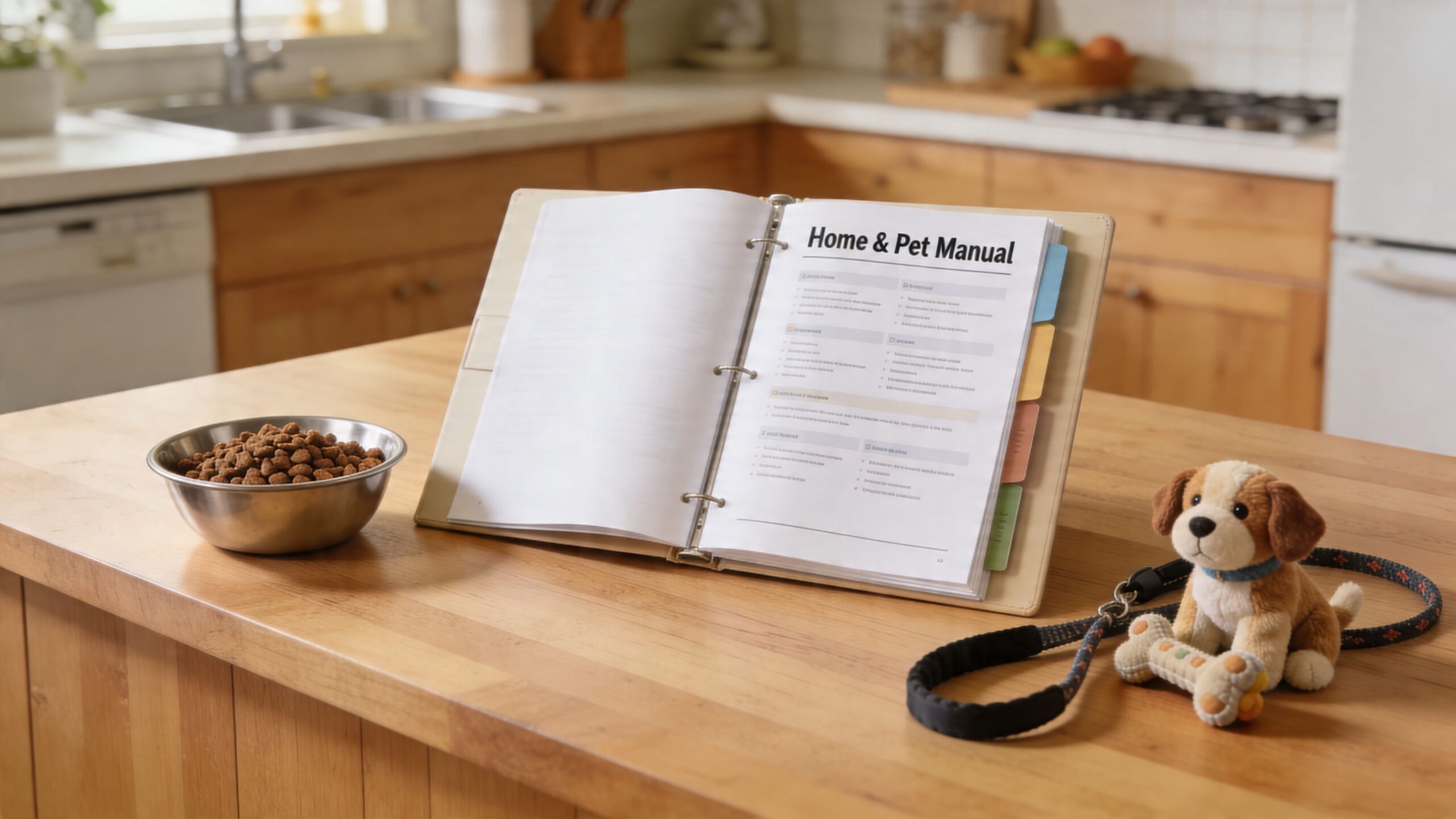
The manual your sitter will actually use
In 2025, in-home pet sitting rates in the UK averaged £16.59 per hour, according to Pet Sitter Dashboard’s 2025 pet sitting and dog walking rates. Through a home exchange, that cost disappears, which is why the handover document needs to be as thoughtful as the saving is substantial.
Write one guide and make it easy to scan. Headings help. So do short sentences. Put a printed copy in the home and a digital copy in a shared note or document.
Your guide should cover:
- Home basics: Wi-Fi, heating or cooling, appliance quirks, rubbish and recycling, post, alarms, spare keys.
- Pet basics: Feeding times, portions, treats, medication, bedtime routine, favourite hiding spots.
- Local rhythm: Nearest shop, pharmacy, transport stop, and where not to park.
- Comfort details: Clean linens, towel location, kitchen staples, and where the good mug is.
London and New York specifics matter
General instructions aren’t enough in dense cities. The sitter needs local intelligence.
In London, that might mean the best morning dog route along Regent’s Canal, which park gate closes earlier than expected, or which corner shop stocks the only cat food your pet will reliably eat.
In New York, it might mean the doorman’s name, lift etiquette in the building, where package deliveries are left, and which nearby café welcomes dogs on the pavement without fuss.
A strong handover note often includes a short neighbourhood list like this:
| Topic | London example | New York example |
|---|---|---|
| Walk route | Quiet early loop along the canal | Shaded morning route around the local park |
| Pet supplies | Independent pet shop near the high street | Reliable bodega for emergency basics |
| Coffee stop | Nearby café after first walk | Corner coffee spot that allows outdoor dogs |
| Building routine | Entry code and parcel cupboard | Front desk and package room instructions |
Show the home as it is
Photos are useful before the sit, but they should be accurate. If your place is compact, say that. If the guest room doubles as your office, say that too. Pet and house sitting works best when comfort is mutual.
One practical tool that helps is clear listing imagery. SwapSpace’s photo guidelines offer the right principle even beyond one platform. Show the home accurately, with enough detail that the sitter knows what they’re agreeing to.
Leave the home as if you’re welcoming a friend, not storing your life around a stranger.
That means empty drawer space, a clear shelf in the bathroom, enough pet supplies for the stay, and a kitchen that doesn’t require excavation before breakfast. It also means being candid about what your pet is really like. “Independent” can mean affectionate once settled, or it can mean hides under the bed and swipes at shoes. Those are not the same sit.
Planning for the Unexpected Emergency Protocols
Emergency planning is where responsible hosts separate themselves from hopeful ones. Most sits are uneventful. The point of a protocol isn’t drama. It’s speed.
Managing unexpected pet illnesses is a major source of stress for sitters, and 43% of pet owners have faced financial barriers to pet care, according to Humane World for Animals. That’s exactly why financial and logistical decisions must be agreed before the trip, not during a panicked phone call.
Build one clear emergency sheet
Your sitter needs a single document they can use half-asleep, under pressure, or from the pavement outside a vet.
Include:
- Primary contact: your number, messaging app, and email.
- Backup contact: someone authorised to make decisions if you can’t be reached.
- Registered vet details: address, phone number, opening hours, and account name if relevant.
- Emergency authorisation: what treatment the sitter can approve and how payment will work.
- Medication list: names, doses, storage location, and timing.
- Home emergency notes: fuse box, stopcock, torch, building manager, porter, or super.
Decide the money question in advance
This part gets awkward only when people avoid it. If the pet needs urgent treatment, can the sitter approve it immediately? Is there a card on file with the vet? Will you reimburse directly if they have to pay first?
Spell it out in plain language.
A simple note works well: if the vet recommends urgent treatment and the owner can’t be reached, the sitter may authorise care up to the agreed level, then contact the backup person. That removes hesitation, which is what puts both pet and sitter in a worse position.
The wrong time to discuss emergency spending is when someone is already in a taxi holding a sick cat.
Cover the non-pet emergencies too
Pet and house sitting also means managing ordinary home failures.
Write down who to contact for:
- A leak
- A power cut
- A heating or cooling issue
- A lockout
- A building access problem
If your sitter is travelling from London to New York or the reverse, don’t assume they’ll know local systems. A New Yorker may not know where a London stopcock typically sits. A Londoner may not instinctively understand a Manhattan building’s maintenance chain.
For extra preparation, some owners also like to bookmark local veterinary resources, including guides to compassionate pet emergency care services, so sitters know what sort of help is available if the usual clinic is closed.
Embracing a Smarter Way to Travel
The best version of pet and house sitting doesn’t feel like a workaround. It feels like a more intelligent way to travel.
For London and New York homeowners and renters, the appeal is obvious. You’re moving between two expensive cities. Hotels are costly. Short-term rental platforms can be impersonal. Paid pet care adds another layer of expense and admin. A well-matched home exchange removes several of those pressures at once.
What this model gets right
This style of travel works because the incentives line up.
- Your pet stays home in a familiar environment.
- Your property stays occupied rather than sitting empty.
- Your travel budget stretches further because accommodation and pet care aren’t separate line items.
- Your stay feels local in a way hotels rarely do.
It also suits different kinds of travellers. Solo travellers get flexibility. Families get space and a kitchen. Remote workers get somewhere liveable rather than merely bookable. Retirees get longer, calmer stays with a sense of neighbourhood rather than churn.
The difference between a listing and a community
That last point matters more than people think. A random booking can get you through a trip. A community can support a travel life.
When pet and house sitting happens inside a members-only exchange network, people arrive with a different mindset. They’re not just consuming a stay. They’re participating in a system that relies on verified identities, straightforward communication, flexible exchange structures, and respect for other people’s homes.
If you’re weighing platforms, start with the basics. Do profiles feel accountable? Are swaps flexible enough to work across real calendars? Are fees easy to understand? Does the experience feel like a community or a funnel?
Practical advice for all of that is easiest to apply when you can compare it against real examples. SwapSpace’s guides are useful reading for anyone interested in the mechanics of home exchange, especially on the London to New York route where flexibility matters.
SwapSpace fits the criteria that matter most in pet and house sitting through home exchange: verified member profiles, flexible direct and credit-based swaps, no hidden service or cleaning fees, and a community feel that makes trust easier to build. If you want a calmer way to travel between London and New York without treating your pet care as a separate problem to solve, it’s worth exploring SwapSpace.
Composed with Outrank tool
