

TL;DR:
- Home exchange offers cost-effective, comfortable, and full-featured long-term accommodation solutions for digital nomads.
- There are three main exchange methods: reciprocal, non-simultaneous, and points-based, each suited to different schedules.
- Building trust through thorough profiles, prompt communication, and clear expectations ensures a safe and successful exchange experience.
Long-term accommodation for digital nomads is one of the most persistent and costly headaches in remote working life. Hotels drain budgets within days, and short-term rentals rarely feel like a productive base when you need a proper workspace, a full kitchen, and reliable WiFi for weeks on end. Home exchange changes that equation entirely. Rather than paying for someone else’s profit margin, you swap your home with another traveller or local, creating a mutual arrangement where both parties benefit from genuine, comfortable living spaces at a fraction of the usual cost.
Table of Contents
- What is a digital nomad home exchange?
- How does digital nomad home exchange work?
- Key benefits of home exchange for digital nomads
- Risks, requirements, and real-world tips for safe home exchange
- Our perspective: What most digital nomads miss about home exchange
- Try flexible home exchange with SwapSpace
- Frequently asked questions
Key Takeaways
| Point | Details |
|---|---|
| Affordable alternative | Home exchange offers digital nomads significant savings compared to hotels and rentals. |
| How it works | List your home, verify details, communicate directly with other nomads, and swap using various methodologies. |
| Trust is essential | Success depends on verified profiles, thorough communication, and building a strong reputation. |
| Comfort and productivity | Real homes provide better space, privacy, and work-friendly amenities than traditional accommodation. |
| Plan ahead | Booking high-demand locations requires advance planning, especially for peak periods. |
What is a digital nomad home exchange?
At its core, a home exchange is an arrangement where two people or households agree to stay in each other’s homes, either at the same time or at different points throughout the year. For digital nomads, this concept is particularly powerful because it directly addresses the two biggest pain points of long-term travel: spiralling accommodation costs and the hollow, impersonal feel of serviced apartments or budget hotels.
The idea itself is far from new. Home exchange networks emerged in the 1950s, initially popular among teachers seeking affordable summer travel. What has changed dramatically is the technology underpinning these arrangements. Modern platforms have turned what was once a niche, trust-heavy arrangement into a streamlined process accessible to anyone with a home worth listing.
“Home exchange platforms are increasingly well-suited to the needs of remote workers, offering properties with dedicated workspaces, reliable internet, and the kind of settled, familiar environment that supports sustained productivity.” This aligns directly with what most nomads are searching for when they move beyond weekend trips into weeks or months abroad.
For digital nomads specifically, the fit is almost intuitive. You already live and work flexibly. Your home sits empty for extended periods while you travel. Rather than leaving it unoccupied or generating modest rental income through short-term lets, you put it to work as your most valuable travel asset. Platforms handle home exchange for remote work by facilitating:
- Identity verification and profile creation to establish trust before any exchange is agreed upon
- Direct communication between potential exchange partners so you can assess compatibility and agree on terms
- Listings that showcase workspace quality, internet speeds, and home office setups alongside standard property details
- Review systems that allow members to build reputations over time, making subsequent exchanges easier to arrange
The sign-up and exchange process involves listing your home, verifying your identity and property details, communicating openly with potential partners, and formally agreeing to the exchange terms. It is straightforward, but it does reward those who invest time in building a compelling, honest profile from the outset.
Equally important, home exchange is ideal for digital nomads needing long-term stays with home-like setups, including proper kitchens, dedicated workspaces, and reliable WiFi, features that standard hotel rooms simply cannot replicate for the price.
How does digital nomad home exchange work?
Understanding the mechanics removes much of the uncertainty that keeps potential participants on the sidelines. There are three primary methodologies for structuring a home exchange, and each suits different travel styles and schedules.
- Reciprocal (simultaneous) exchange — Both parties stay in each other’s homes at the same time. This works well for nomads travelling to a partner’s city while that partner visits yours, and it is the most direct, logistically clean arrangement.
- Non-simultaneous exchange — You and your exchange partner visit each other’s homes at different times. This requires more planning and a higher degree of mutual trust, but it offers much greater scheduling flexibility, which many nomads prefer.
- Points or credit-based exchange — You host someone in your home and earn credits (sometimes called SwapCredits or GuestPoints). You then spend those credits to stay in someone else’s home independently. This is the most flexible arrangement because it decouples your travels from your partner’s schedule entirely.
The typical process, regardless of which method you choose, follows a clear sequence. You create and verify your listing, browse available homes that match your destination and timeline, reach out to potential partners with a personalised message, agree on dates and house rules, prepare your home for guests, and then depart for your exchange. After the stay, both parties leave honest reviews to strengthen the community’s trust ecosystem.
| Exchange type | Scheduling | Best suited to | Flexibility |
|---|---|---|---|
| Reciprocal | Simultaneous | Nomads with fixed travel dates | Low to medium |
| Non-simultaneous | Staggered | Flexible schedules, longer trips | High |
| Credit/points-based | Fully independent | Frequent travellers, solo nomads | Very high |
Pro Tip: Before confirming any exchange, schedule a video call with your prospective partner. Even a fifteen-minute conversation dramatically reduces the risk of mismatched expectations. Use this time to ask about workspace quality, neighbourhood noise levels, and any quirks of the property that may not appear in the listing.
A good step-by-step guide to home exchange will walk you through the finer details, from crafting an effective profile to negotiating the specifics of a swap. Equally, researching the essential platform features before committing to any one service helps you identify which platform is best aligned with your travel frequency and preferred exchange style.
Key benefits of home exchange for digital nomads
The financial case for home exchange is compelling on its own. But when you combine the cost savings with the practical and lifestyle advantages, the overall picture becomes genuinely hard to argue against.
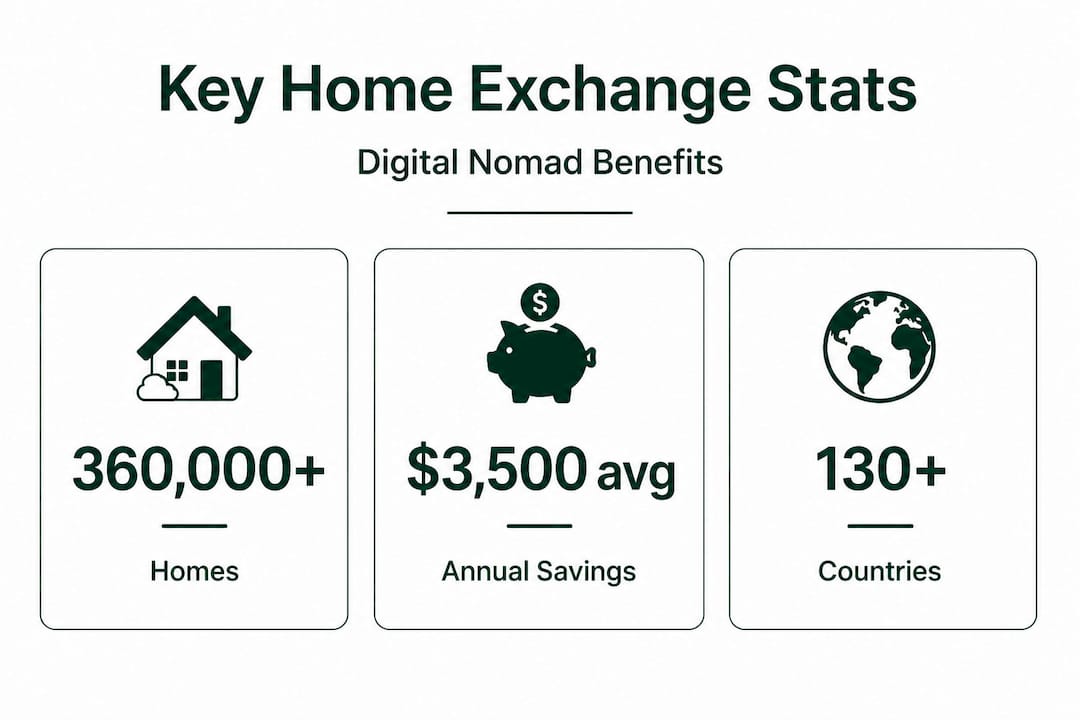
Cost savings that compound over time. Platforms like HomeExchange, which hosts 360,000 to 440,000 homes across 130 to 155 countries, report that members save an average of $3,500 per vacation in accommodation costs alone. For a nomad taking three or four extended trips per year, those savings accumulate rapidly and can easily fund an additional month of travel. Canadian membership on that platform alone grew 41% in 2025, suggesting growing mainstream appetite for the model.
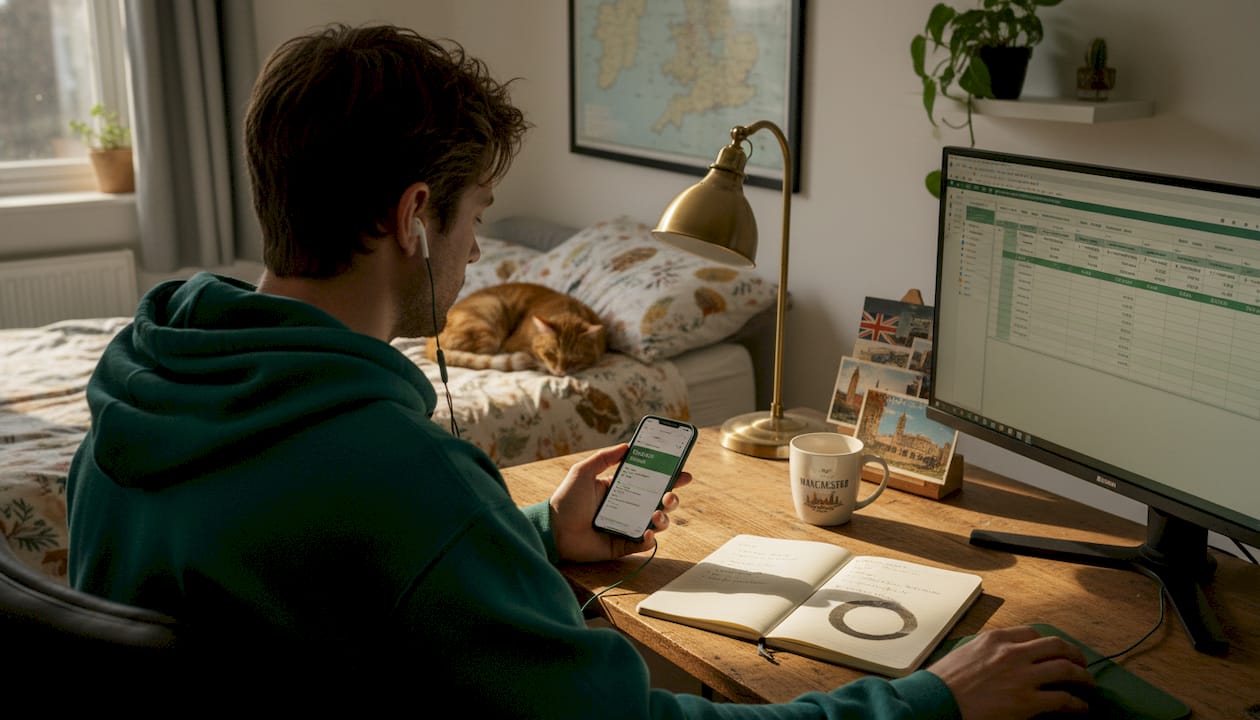
A genuine workspace, not a workaround. One of the most underappreciated advantages of home exchange is the quality of the working environment. A real home typically offers a dedicated desk, strong WiFi, a full kitchen for meal prep, and the quietude needed for focused work. Contrast this with a hotel room where your desk is a repurposed side table next to the minibar, and the difference to daily productivity is substantial.
Authentic neighbourhood immersion. Staying in a residential area rather than a tourist district changes the texture of your experience abroad. You shop at local markets, become a regular at the corner café, and understand the genuine rhythm of daily life in a city. This kind of cultural immersion and sustainability ranks consistently among the top benefits cited by experienced home exchangers.
Lower environmental footprint. Using an existing home rather than a hotel means no additional energy is consumed building, heating, or maintaining a dedicated tourist accommodation. For nomads conscious of their travel footprint, this matters.
| Benefit | Impact for digital nomads | Compared to hotels/rentals |
|---|---|---|
| Cost savings | Average $3,500 per trip | 60–80% cheaper for long stays |
| Workspace quality | Dedicated desk, stable WiFi | Significantly superior |
| Local experience | Residential neighbourhood access | Hard to replicate |
| Flexibility | Multiple exchange types available | Much higher |
| Sustainability | Lower environmental impact | Hotels use considerably more energy |
Exploring global home listings reveals just how wide the geographical spread of available properties has become, making it increasingly realistic to plan home exchanges to destinations that would otherwise be prohibitively expensive.
Risks, requirements, and real-world tips for safe home exchange
No accommodation model is without trade-offs, and home exchange deserves an honest appraisal of its challenges as well as its merits. Understanding these in advance means you can prepare accordingly rather than being caught off guard.
Planning requirements are real. Unlike booking a hotel room two weeks out, successful home exchange often requires months of lead time, particularly for popular destinations. High-demand locations can book six to twelve months ahead, which demands more forward planning than many nomads are accustomed to.
Trust and home readiness are ongoing responsibilities. You are inviting people into your private space. Some nomads find this psychologically difficult initially. The practical reality, supported by verified profiles and positive reviews, is that the overwhelming majority of exchanges proceed smoothly. But you should keep your home in a guest-ready state and leave clear written instructions covering appliances, WiFi access, local emergency contacts, and any household quirks.
Insurance gaps exist on some platforms. Not all home exchange platforms provide insurance coverage for property damage or accidents. Some platforms, including SwappaHome, do not offer this protection, which means you may need to check whether your existing home insurance policy covers home exchange arrangements or whether a supplementary policy is worth considering.
Renters can participate, with caveats. If you rent rather than own your home, renters can often exchange as long as no money changes hands and you are not subletting in a way that violates your tenancy agreement. Always check your lease terms and local regulations before listing a rented property.
Here are the most effective habits for building a reliable reputation and ensuring safe exchanges:
- Complete every field in your profile, including photos, a personal biography, and an honest description of your home’s features and any limitations
- Communicate proactively and respond to messages promptly. Slow responses signal unreliability to potential partners
- Conduct a video call before confirming any exchange, as recommended by experienced swappers consistently across travel communities
- Leave your home clean, organised, and guest-ready, with a welcome note and practical household information
- Build your review record gradually, starting with shorter exchanges to establish trust before committing to longer arrangements
“Prioritise verified profiles, leave your home genuinely guest-ready, and build your reputation with consistent, honest communication. Those who approach home exchange as a collaborative relationship rather than a transaction almost always have better outcomes.” This is the advice of experienced practitioners and it rings true across virtually every successful exchange.
Understanding the safety of house swapping in depth, and recognising how community dynamics contribute to trust within these networks, will help you approach your first exchange with genuine confidence rather than unnecessary anxiety. The key platform features to look for when choosing a service include robust identity verification, a transparent review system, and clear policies on dispute resolution.
Our perspective: What most digital nomads miss about home exchange
Most digital nomads who approach home exchange focus almost exclusively on the cost savings. That framing is understandable, but it sells the model considerably short.
The most experienced home exchangers will tell you that the real value accumulates in something harder to quantify: continuity of relationship and access to community. When you swap homes with someone who shares your values around travel, work, and mutual respect, you are not simply accessing free accommodation. You are entering a small but meaningful ongoing relationship. Those connections frequently lead to invitations for future exchanges, introductions to trusted contacts in new cities, and a kind of collaborative travel intelligence that no booking platform can replicate.
This is why the community’s impact on successful home exchange is so consistently underestimated. When you invest in your profile, respond thoughtfully to enquiries, and treat every exchange as a two-way collaboration, you are not just completing a transaction. You are building a travel asset that grows in value with every positive interaction.
Most problems in home exchange, contrary to popular assumption, do not stem from bad intent. They stem from poor communication and unclear expectations. A guest who misuses kitchen equipment is usually someone who was not told about its quirks. A host who feels their space was left untidy is often dealing with someone who had different standards around cleanliness, not someone who was careless deliberately. The solution is almost always more communication before the exchange begins, not stricter vetting.
For digital nomads specifically, this matters enormously. Your home is your most flexible tool in a location-independent life. Treating it as an asset within a trusted network rather than simply a property to leave behind transforms the economics and the experience of long-term travel simultaneously.
Try flexible home exchange with SwapSpace
Home exchange is one of the smartest moves a digital nomad can make, and choosing the right platform to start with makes a meaningful difference to that first experience.
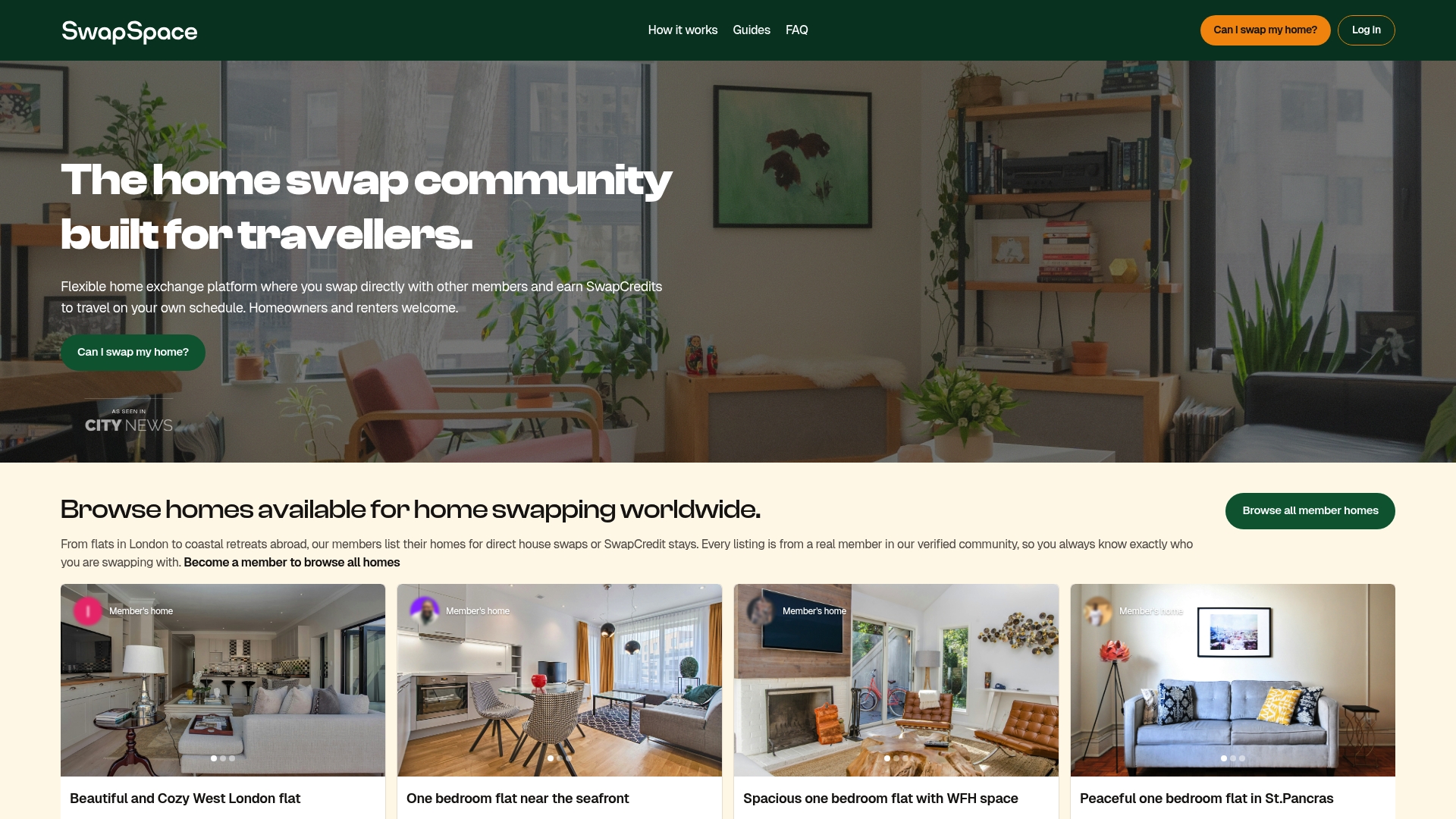
SwapSpace is built precisely for travellers and remote workers who value trust, flexibility, and authentic accommodation. The platform connects verified members across a global network of homes, from urban flats in European capitals to coastal retreats and countryside escapes. Whether you prefer a direct reciprocal swap or earning SwapCredits by hosting and spending them on future stays, how SwapSpace works is transparent and straightforward from the moment you apply. Before you commit, use the travel cost calculator to see exactly how much you could save on your next extended stay compared to hotels or short-term rentals. The numbers may well surprise you.
Frequently asked questions
Can I join a home exchange if I rent my home?
Yes, most platforms allow renters to exchange as long as your lease permits it and no money changes hands in the arrangement. Always confirm with your landlord or check your tenancy agreement before listing your property on any home exchange platform.
How far in advance should I arrange a home exchange as a digital nomad?
For popular or high-demand destinations, you should aim to search and confirm arrangements at least six to twelve months in advance. Less competitive locations offer more last-minute flexibility, but earlier planning consistently yields better options.
Do I need to pay to use a home exchange platform?
Some platforms charge an upfront annual membership fee, though the long-term savings on accommodation typically outweigh those costs significantly for regular travellers. SwapSpace currently offers free initial membership with optional paid tiers planned for future development.
How can I build trust and reputation on a home exchange platform?
Complete your profile thoroughly, verify your identity and property details, communicate promptly and clearly, and collect honest reviews after each exchange. Trust built through verification and consistent communication is the single greatest predictor of long-term success in home exchange communities.
What about insurance coverage during a home exchange?
Coverage varies considerably by platform. Some services include built-in property protection, while others, such as SwappaHome, offer no insurance at all. Always confirm the coverage terms of your chosen platform and check whether your existing home insurance policy extends to exchange arrangements.
