

TL;DR:
- Community trust and mutual respect are essential for successful home exchanges.
- Home exchange creates authentic, relationship-based travel experiences unlike commercial lodging.
- Active participation in community networks fosters safety, authenticity, and lasting friendships.
Most people assume home exchange is simply a clever way to cut accommodation costs. While the savings are real and welcome, this view misses something far more significant. Research identifies trustworthiness and community as the core dimensions that make home exchange work. Strip those away, and what remains is just an arrangement, not an experience. This article explores why community is the actual engine of successful home swapping, how it shapes safety and authenticity, and what it means for you as someone considering, or already enjoying, the world of home exchange.
Table of Contents
- Understanding the community foundation of home exchange
- Trust, safety and authenticity: why community matters
- How community networks support and sustain swaps
- Building connections and authenticity through community
- Why genuine community is the home exchange advantage
- Explore trusted home exchange with SwapSpace
- Frequently asked questions
Key Takeaways
| Point | Details |
|---|---|
| Trust relies on community | Home exchange safety is built on networks of mutual trust and shared values. |
| Support makes swaps smoother | A robust community provides guidance, help, and problem-solving you won’t find elsewhere. |
| Connections enrich the experience | Joining a real community unlocks friendships and local insights that turn your swap into a genuine cultural exchange. |
| Platforms are not enough | Rules and technology matter, but only an engaged community ensures positive, reliable exchanges. |
Understanding the community foundation of home exchange
Home exchange is not simply a transaction where two parties hand over keys and hope for the best. At its heart, it is a relationship built on shared values, mutual respect, and a genuine willingness to open your home to a stranger. That distinction matters enormously.
Commercial accommodation, whether a hotel or a short-term rental platform, operates on a straightforward financial basis. You pay, you stay, you leave. The interaction is impersonal by design. Home exchange communities work differently. Members are not customers. They are participants in a network held together by reciprocity, the idea that what you offer to others, others will offer to you in return.
“Home exchange is fundamentally a form of non-commercial hospitality, where community dimensions such as trust, mutual aid, and shared experience are central to the practice.”
This shift in framing changes everything about the experience. When you stay in someone’s home as part of a community exchange, you are not occupying a unit. You are inhabiting a place that belongs somewhere, to someone who chose to share it with you. That sense of personal connection gives the stay a texture that no hotel room can replicate.
The community support in home exchange model creates accountability that commercial platforms struggle to match. Members know their reputation within the network directly affects their ability to arrange future swaps. This creates a self-reinforcing culture of care and reliability.
Key community dimensions that distinguish home exchange from commercial lodging include:
- Shared values: Members enter with the same spirit of generosity and openness
- Mutual aid: Problems get solved collectively, not by faceless customer service teams
- Network belonging: Members feel part of something larger than a single swap
- Ongoing relationships: Connections often continue well beyond a single exchange
Understanding affordable travel through community starts with recognising that community is not a bonus feature. It is the infrastructure that makes the entire system function.
Trust, safety and authenticity: why community matters
Trust in home exchange operates on two levels simultaneously. There is personal trust, the comfort you feel after a genuine conversation with a fellow member, and system trust, the confidence that the platform and community structure have your back if something goes wrong.
Trustworthiness and network support are not peripheral concerns in home exchange. They are central to why the practice functions at all. A community without trust collapses quickly. One built around it becomes increasingly robust over time, as each positive exchange reinforces the network’s credibility.
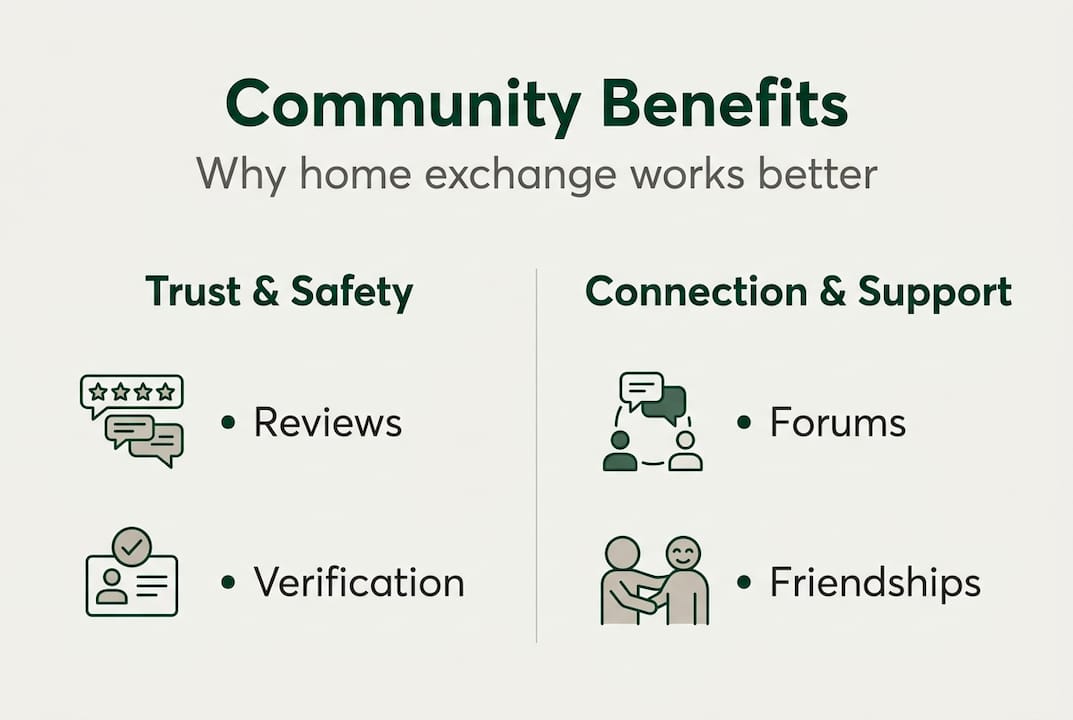
Community vetting works through multiple layers. Members leave reviews, provide references, verify identities, and build track records that others can assess before agreeing to a swap. This is meaningfully different from a commercial rental, where a listing might have polished photos but little genuine accountability.
| Feature | Commercial rental | Home exchange community |
|---|---|---|
| Identity verification | Variable | Consistent, member-driven |
| Reviews and references | Platform-only | Peer-to-peer and ongoing |
| Dispute resolution | Customer service | Community-supported |
| Accountability | Financial deposit | Reputation and reciprocity |
| Authenticity | Transactional | Relational |
Safety through safe and trusted home exchanges is therefore not just about locks and insurance policies. It stems from the mutual accountability that community membership creates. When both parties have a stake in the network’s reputation, the incentive to behave well is built into the structure.
Authenticity follows naturally. Staying in a genuine home, surrounded by someone’s books, kitchen gadgets, and garden, gives you an experience that feels real rather than staged. You are not a guest in a managed property. You are a temporary resident in a lived-in space.
Pro Tip: Before confirming any swap, take time to communicate directly with your exchange partner. Ask specific questions about the neighbourhood, parking, and household quirks. This conversation builds personal trust and often reveals whether the match is genuinely right for both parties. Seeking references from previous swap partners adds another important layer of confidence, as detailed in is house swapping safe.
How community networks support and sustain swaps
The practical machinery of a home exchange community is more sophisticated than it might first appear. It is not simply a directory of available homes. It is a living network where network dimensions actively support members through every stage of the swap process.
Verification is the entry point. Responsible platforms require members to confirm their identity before interacting with the network. This filters out bad actors and signals to all members that their fellow swappers have met a baseline standard of accountability.
Beyond verification, communities offer support structures that commercial accommodation simply does not provide:
| Support type | What it involves |
|---|---|
| Member forums | Sharing advice, destination tips, and swap stories |
| Direct messaging | Coordinating swap details with verified members |
| Dispute channels | Resolving issues with community or platform support |
| Events and meetups | Building deeper connections beyond individual swaps |
Joining a home exchange network and making the most of its community involves a clear set of steps. The essential platform features guide is worth reviewing before you begin.
- Create a verified profile: Complete identity verification and add a genuine, detailed description of your home and yourself
- List your home honestly: Accurate photos and clear house rules set positive expectations
- Explore member listings: Use filters to find homes that match your destination, dates, and preferences
- Initiate contact: Send a personalised message to potential swap partners, referencing specifics from their profile
- Gather references: Check reviews and, if possible, request references from previous exchange partners
- Confirm and coordinate: Agree on dates, access arrangements, and any household details before finalising
- Engage the community: Participate in forums and events to build your reputation and expand your network
Following this process, as outlined in plan your home swap, ensures that your experience is supported by the community at every turn, not just during the swap itself.
Building connections and authenticity through community
Once the practical arrangements are in place, the most rewarding dimension of home exchange comes to life. This is where a stay becomes more than accommodation, and where a swap partner can become a lasting friend.
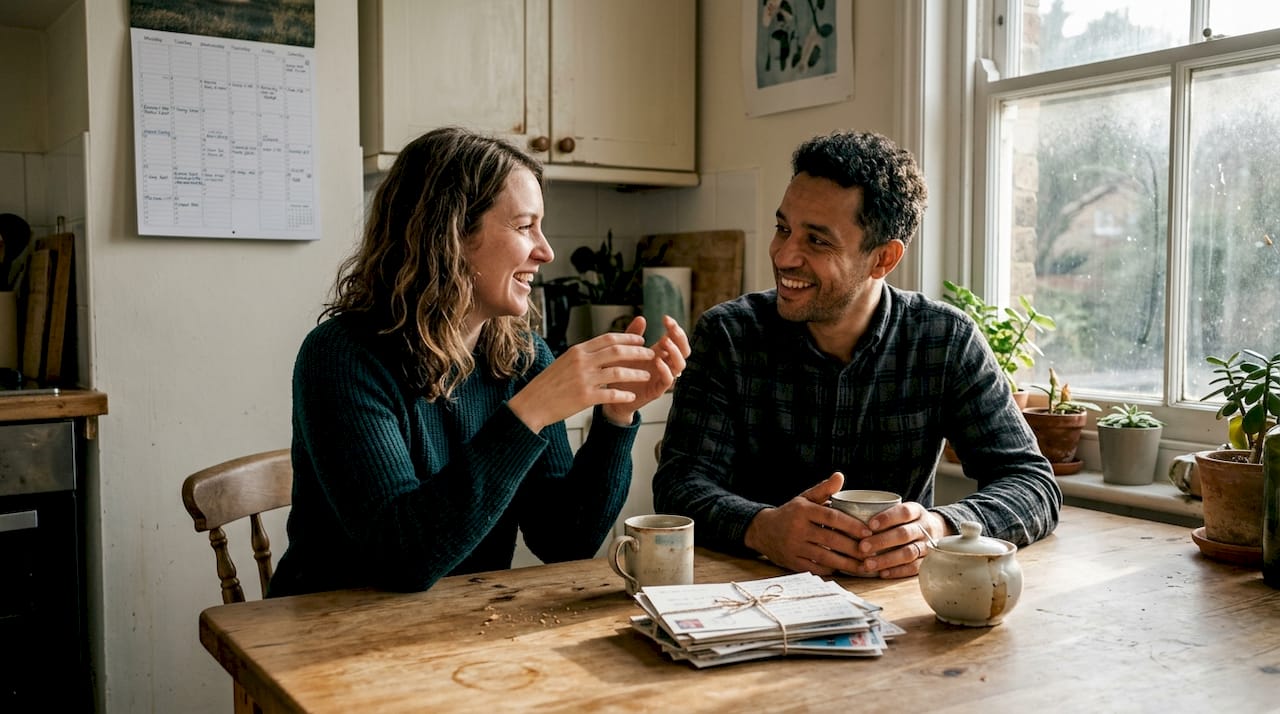
Authenticity and domesticity are consistently identified as core motivations for people who choose community-based hospitality exchange over commercial options. There is something genuinely different about arriving in a city and knowing someone who lives there has left you a handwritten note about the best local bakery, or arranged for a neighbour to answer your questions.
These touches are not orchestrated by a management company. They come from real people who care about their community and want you to enjoy their home as they do. That generosity is the texture of a home exchange holiday.
The connections built through home exchange communities offer practical and personal benefits:
- Insider local knowledge: Members share tips that no travel guide includes, from quiet parks to trusted tradespeople
- Ongoing friendships: Many swappers report staying in touch with exchange partners for years after their swap
- Shared learning: Community members exchange advice on everything from home security to favourite destinations
- Sense of belonging: Even as a visitor, you inhabit a neighbourhood rather than observe it from a hotel window
- Cultural exchange: Living in someone’s home, even briefly, offers genuine insight into how people in different places actually live
Pro Tip: Do not limit your community engagement to the swap itself. Participate in member forums, respond to requests for advice, and share your own experiences. Members who are active in the community consistently attract better swap opportunities and build the kind of reputation that opens doors, quite literally, around the world. For practical guidance on making swaps comfortable and welcoming, explore these secure home exchange tips or revisit how home exchange works if you are newer to the process.
Why genuine community is the home exchange advantage
Most guides on home exchange focus on the mechanics: how to list your home, how to find a match, how to handle the logistics. These things matter. But they are not what makes the difference between a forgettable arrangement and a genuinely memorable experience.
The real advantage is far simpler and far harder to manufacture. It is community. Not a feature list or a terms-of-service document, but the actual relationships, habits of generosity, and mutual accountability that grow when real people choose to trust each other.
Conventional travel cannot replicate this. You can book the most beautifully designed rental in the world and still feel like a visitor in an unfamiliar place. Home exchange, done within a genuine community, changes that dynamic entirely. You arrive somewhere as a member of a network, not a stranger.
When things go off-plan, as they occasionally do in any travel experience, community members tend to handle it with flexibility and goodwill that no commercial platform can script. That resilience comes from relationship, not regulation. The safe and affordable swaps that people remember most fondly are almost always the ones where a real human connection made the difference.
Explore trusted home exchange with SwapSpace
Ready to put these lessons into practice with a trusted network? SwapSpace is built around exactly the community values explored in this article. Every member is verified, every listing is genuine, and the platform is designed to foster real connection alongside practical convenience.
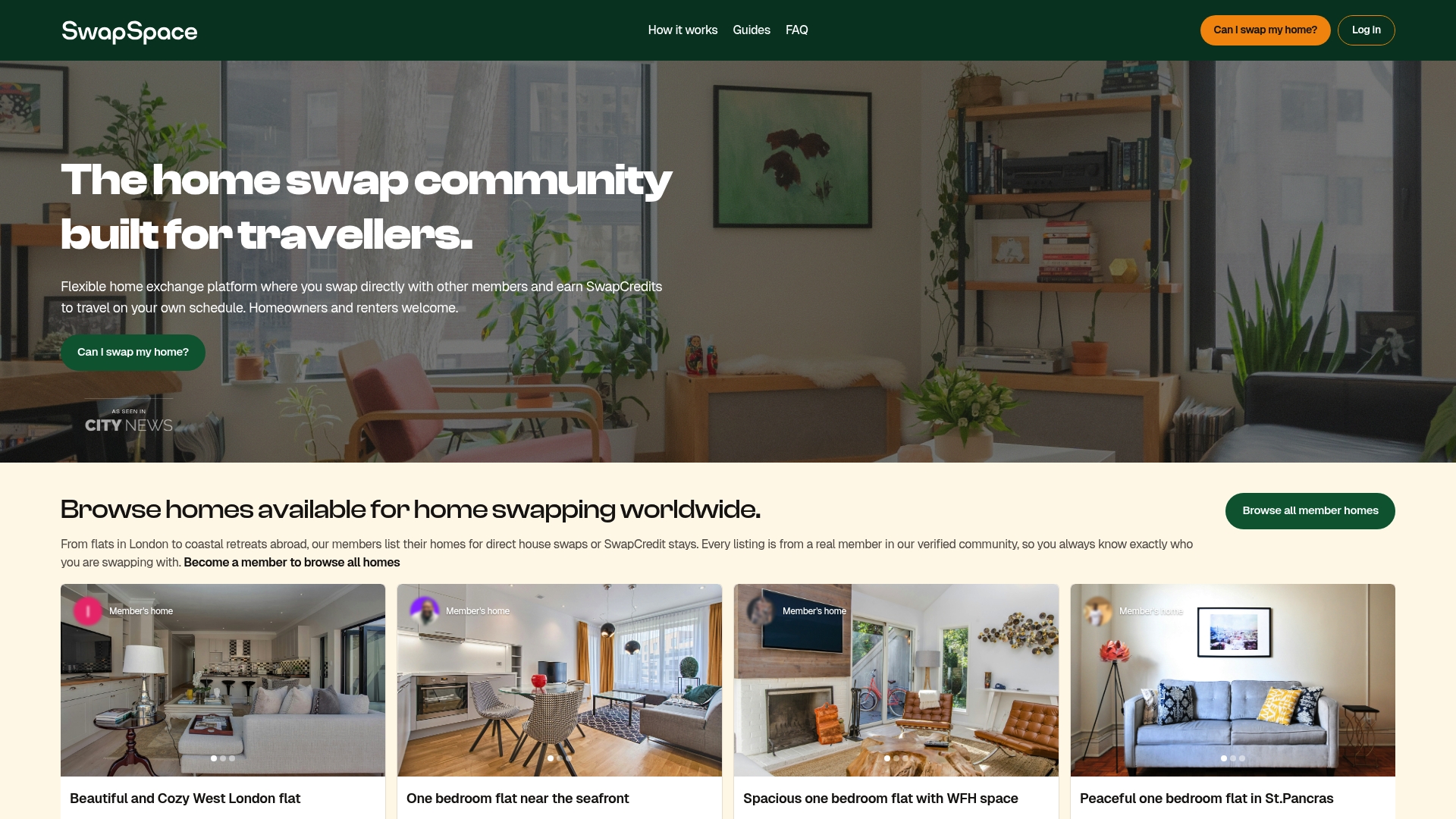
Whether you are a first-time swapper or an experienced home exchanger looking for a more values-driven community, the SwapSpace platform offers a welcoming and safety-first environment. Discover how the credit system, identity verification, and global listing database work together by exploring how SwapSpace works. Your next authentic travel experience could start with a single, trusted connection.
Frequently asked questions
How does a community make home exchanges safer?
Community members vet each other through reviews, references, and direct communication, creating mutual accountability that significantly reduces risk. Trustworthiness and network support are foundational to how home exchange networks function safely.
What practical benefits does a home exchange community offer?
Communities provide dispute resolution, member forums, shared resources, and a genuine sense of belonging that commercial lodging cannot replicate. Network and community support are identified as core benefits that keep members engaged and exchanges running smoothly.
Can home exchange communities help form real friendships?
Yes, many members maintain lasting friendships with swap partners well after their exchange has ended. Home swap communities are specifically recognised for fostering ongoing personal connections that extend far beyond a single stay.
