

TL;DR:
- Effective home swapping depends on building trustworthy profiles with honest photos and clear descriptions that foster confidence. Preparing your home thoroughly and communicating expectations clearly ensure a smooth, stress-free exchange, supported by comprehensive welcome guides and timely dialogue. Choosing suitable platforms and understanding insurance options are essential for safety, with best practices helping swappers save money and secure better travel experiences over time.
Accommodation costs have long been the single largest obstacle standing between travellers and the trips they dream about. Home swapping has grown into a serious alternative, with 50% growth in popularity among couples and families who have discovered that trading homes cuts travel budgets dramatically without sacrificing comfort or authenticity. But a successful swap is never accidental. The difference between a memorable, stress-free experience and a frustrating one almost always comes down to whether you followed a clear set of best practices from the very beginning.
Table of Contents
- Build a trustworthy profile and set realistic expectations
- Prepare your home for a seamless exchange
- Communicate clearly and manage expectations
- Understand platform options and insurance essentials
- Address special cases: electric vehicles and other concerns
- Why best practices matter more than ever in 2026
- Start your seamless home swap with swap-space.com
- Frequently asked questions
Key Takeaways
| Point | Details |
|---|---|
| Authenticity builds trust | Use real photos and clear descriptions in your profile for honest matches. |
| Preparation is critical | Deep cleaning, space clearance, and welcome guides minimise headaches for guests. |
| Choose platform wisely | Compare swap methods and always check your personal insurance for gaps. |
| Communication prevents issues | Video calls and detailed guides are the best way to set expectations and avoid surprises. |
| Handle special requests early | Clarify arrangements for electric cars and unique amenities well before the swap. |
Build a trustworthy profile and set realistic expectations
Having set the stage for home swap benefits, let’s look at the first vital step: establishing trust and expectations through your profile.
Your profile is your first handshake with every potential swap partner. It tells strangers whether they can trust you with their home, and it tells you whether their home is right for your needs. Most experienced swappers agree that a weak profile is the single biggest reason swap requests go unanswered.
To attract potential swappers, your profile should include:
- High-quality, authentic photos of every main room, the kitchen, bathrooms, outdoor spaces, and the surrounding neighbourhood
- A clear, honest description of the property’s size, layout, and any quirks such as a noisy road nearby or a low shower head
- Details about the local area including nearby transport links, supermarkets, restaurants, and popular attractions
- Your availability calendar, kept up to date so partners can plan with confidence
- A short personal introduction explaining who you are, your travel style, and what you are looking for in a swap
One thing many first-time swappers get wrong is over-editing their photos. Avoid over-retouched images that make rooms look larger or brighter than they really are. Trust is the currency of home swapping, and nothing destroys it faster than a guest arriving to find the reality does not match the pictures.
“The best home swap profiles read like a trusted friend describing their home to you. Honest, warm, and full of the small details that actually matter when you are living somewhere for a week.”
Pro Tip: When you photograph your home, shoot during natural daylight and include at least one photo showing the view from every window. These context shots build confidence in a way that staged interior photography simply cannot.
A verified profile on a reputable platform adds another layer of reassurance. Platforms that require identity verification before listing give both sides of a swap a firmer foundation of trust from day one.
Prepare your home for a seamless exchange
Once your profile is ready, prepping your home is the next priority for a stress-free, welcoming swap.
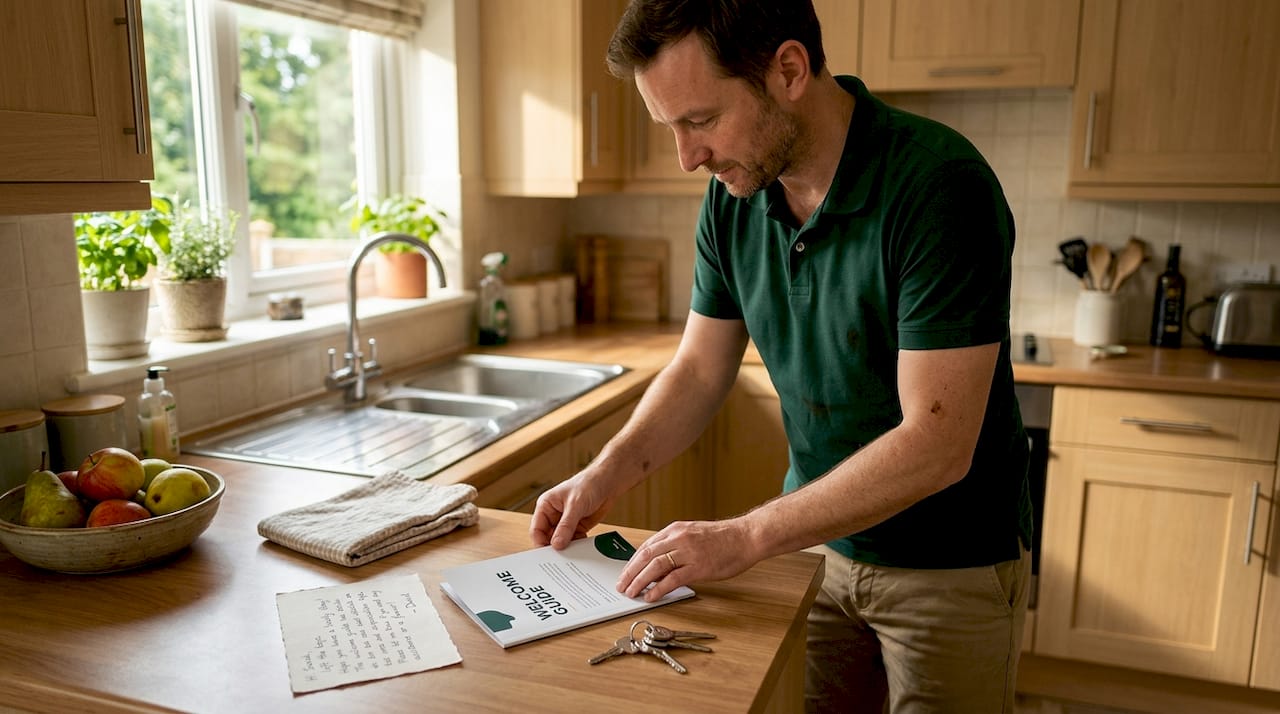
Inviting strangers into your home requires a shift in mindset. Think of it the way a considerate host would: your goal is to make your guests feel genuinely comfortable, not just tolerated. The good news is that thoughtful preparation benefits you too. Guests who feel well cared for are far more likely to treat your home with respect and leave a glowing review.
Follow these steps before every swap:
- Deep clean the entire property, paying particular attention to kitchens, bathrooms, and bedrooms. Hire a professional cleaner if necessary.
- Test every appliance, from the boiler and washing machine to the television and Wi-Fi router. Fix or clearly label anything that does not work.
- Clear personal storage space in wardrobes, drawers, and bathroom cabinets so guests have room for their belongings.
- Stock the essentials: fresh bed linen, clean towels, basic cooking supplies (oil, salt, pepper, tea, coffee), and spare toilet rolls.
- Secure valuables and personal documents in a locked cupboard or storage box before guests arrive.
- Leave clear instructions for your heating system, any tricky locks, rubbish collection days, and recycling arrangements.
Thorough stress-free home preparation makes the difference between a swap that works beautifully and one that generates anxious messages at 10 pm. Using a vacation exchange checklist ensures nothing slips through the gaps.
The comparison below shows how cleaning responsibilities are typically divided between platforms and guests:
| Responsibility | Platform role | Guest/host role |
|---|---|---|
| Pre-swap deep clean | Recommends standards | Host carries out the work |
| During-stay tidiness | No involvement | Guest maintains cleanliness |
| Post-stay clean | May require evidence | Guest cleans before departure |
| Damage reporting | Facilitates dispute process | Both parties document and report |
| Appliance faults | No direct responsibility | Host fixes before arrival |
Pro Tip: Leave a printed step-by-step swap guide on the kitchen counter alongside your welcome notes. Guests arriving after a long journey appreciate clear, physical instructions far more than a buried email thread.
Communicate clearly and manage expectations
A well-prepared home is only half of the equation. Clear communication ties it all together for a smooth exchange.
Before any swap is confirmed, invest time in genuine dialogue with your potential partner. A brief video call is one of the most effective tools available. It puts faces to names, allows both parties to ask the questions they might hesitate to type, and builds the human connection that makes swapping feel safe rather than risky.
Key topics to discuss before swapping include:
- Arrival and departure logistics: key handover, parking, check-in times
- House rules: noise levels, smoking policy, pet rules if applicable, guest numbers
- Emergency contacts: a neighbour or local friend who can help if something goes wrong
- Off-limits areas: locked rooms, specific items not for use
- Waste and recycling: local council collections and sorting requirements
Your welcome guide is arguably the most valuable document in any home swap. Think of it as your home’s instruction manual and local guide combined. It should cover Wi-Fi login details, appliance instructions (especially anything non-standard), emergency procedures, nearby pharmacy, doctor, and supermarket locations, and personal recommendations for local restaurants, walks, and hidden gems.
“A welcome guide that takes two hours to write saves twenty hours of stressed messages during the swap. It is one of the highest-return investments a home swapper can make.”
The table below outlines what experienced swappers include in their communication timeline:
| Timing | Communication action |
|---|---|
| Initial contact | Brief introduction, dates, property overview |
| One to two weeks before | Video call, confirm house rules and key arrangements |
| Three days before | Share welcome guide, confirm arrival time |
| Day of arrival | Final check-in message, confirm everything is in order |
| During swap | Available for questions but not hovering |
| After swap | Prompt, honest review exchange |
Misunderstandings in home swapping are almost always rooted in assumed, rather than stated, expectations. The more clearly you communicate upfront, the fewer surprises either party encounters.
Understand platform options and insurance essentials
Ensuring clear communication matters, but picking the right platform and understanding insurance brings genuine peace of mind.
Not all home swap platforms work the same way, and choosing the right structure for your travel style makes a significant practical difference. Broadly, platforms fall into two models.
Direct (simultaneous) swaps require both parties to stay in each other’s homes at the same time. This is the traditional model and works well when dates align perfectly.
Credit-based swaps allow greater flexibility without simultaneous timing. You host a guest, earn credits, and spend those credits on a stay somewhere else entirely, at a different time. This suits travellers whose schedules rarely align with a specific partner’s availability.
| Feature | Direct swap | Credit-based swap |
|---|---|---|
| Timing requirement | Must match simultaneously | No timing match needed |
| Flexibility | Lower | Higher |
| Partner dependency | High | Low |
| Best suited to | Fixed-holiday travellers | Flexible or frequent travellers |
| Credit system needed | No | Yes |
On the question of insurance, the picture is clear and worth understanding before you ever confirm a swap. No platform insures damages directly. Platforms provide verification, community support, and dispute frameworks, but they do not act as your insurer. Check your existing home insurance policy for guest-related coverage. Some policies include it; many do not. If yours does not, speak to your insurer about a short-term extension before your first swap.
Additional safety considerations include the safety benefits of house swap platforms, which typically offer identity verification, member reviews, and secure messaging. These layers of home swap security matter enormously, particularly for first-time swappers who are understandably cautious. Verified profiles and community ratings are your most reliable indicators of a trustworthy partner.
Address special cases: electric vehicles and other concerns
As swaps become more diverse, addressing special scenarios like electric cars is vital for a truly seamless experience.
Home swapping in 2026 involves a wider range of properties, facilities, and lifestyles than ever before. One increasingly common situation involves electric vehicle (EV) charging. If your home has a home charger, or if your swap partner’s home does, you need to address this clearly before the swap begins.
Best practices for EV charging during a home swap include:
- Confirm charging compatibility: not all home chargers work with every EV. Discuss cable types and adaptor requirements in advance.
- Clarify the cost arrangement: confirm charging costs upfront and agree whether the host or guest covers electricity for charging.
- Designate specific outlets: guests should only use the charger or outlet explicitly indicated, never improvise with standard household sockets for high-draw EV charging.
- Include instructions in your welcome guide: charging instructions belong alongside boiler settings and Wi-Fi passwords.
Beyond electric vehicles, other edge cases worth addressing explicitly include:
- Pets: state clearly whether pets are allowed, which areas they may access, and what care arrangements apply if you are bringing a pet to your swap destination
- Swimming pools or hot tubs: leave written safety instructions and any operational limitations
- Specialist appliances: coffee machines, range cookers, home cinema systems, and smart home devices all benefit from a brief written guide
- Valuables on display: artwork, collections, or expensive equipment should either be secured or explicitly noted in your house rules
Pro Tip: Confirm every technical or financial arrangement in writing via the platform’s messaging system before the swap begins. A clear written record protects both parties if any disagreement arises later.
Why best practices matter more than ever in 2026
With all the practical details covered, it is worth stepping back to consider why these practices really matter right now, not just for your individual swap, but for the health of home swapping as a whole.
Home swapping has moved well past its niche origins. Popularity has grown by 50% among active travel communities, and with more participants comes higher competition for desirable swaps. The most sought-after listings in Paris, Cape Town, Kyoto, and Sydney regularly attract multiple requests. The hosts who consistently secure quality partners are not those with the grandest homes. They are those with the most trustworthy profiles, the warmest welcome guides, and the clearest communication records.
Here is the uncomfortable truth that experienced swappers rarely say out loud: shortcuts in this space have a compounding cost. Skip the deep clean before a swap and you risk a poor review. A poor review reduces your swap requests by a measurable margin. Fewer requests mean fewer options for your own travel, and the whole system begins to work against you rather than for you. Conversely, a single outstanding review attracts better partners and better destinations over time.
Platforms are evolving rapidly, adding smarter verification tools, credit systems, and dispute resolution processes. But technology does not replace personal diligence. No algorithm can decide whether you have left enough towels or communicated your boiler’s quirks clearly enough. That responsibility sits entirely with you as a swapper, and it is precisely where your effort makes the most measurable difference.
If you are serious about using home swapping to save money on travel authentically and consistently, treat best practices not as a checklist but as a standard you maintain every single time. The swappers who do this are the ones who look back after 18 months having saved thousands of pounds while staying in remarkable homes they could never have afforded otherwise.
Start your seamless home swap with swap-space.com
Ready to put best practices into action? SwapSpace makes it straightforward.
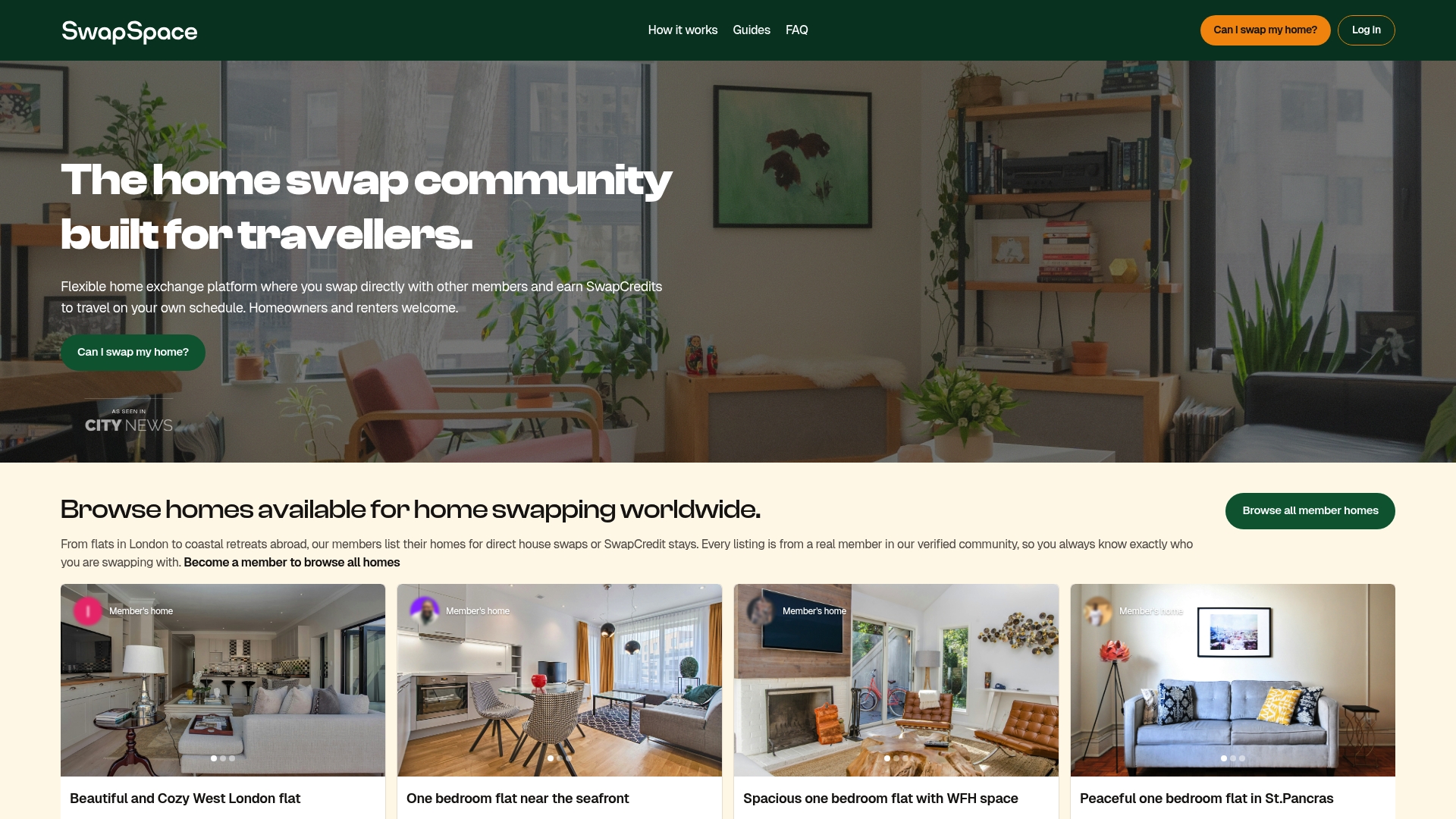
SwapSpace is a verified, invite-only home exchange community designed to make swapping safe, accessible, and genuinely rewarding. Whether you prefer direct swaps or the flexibility of earning SwapCredits by hosting, the platform is built around the same principles covered in this guide: verified identities, authentic listings, and a community that values trust. You can swap your home safely with confidence, knowing every member has passed identity verification. Explore how SwapSpace works and take the first step towards affordable, authentic travel on your own terms.
Frequently asked questions
How much can I save with a home swap?
Home swaps can save travellers thousands of pounds over time, as demonstrated by couples who saved up to $11,000 across just 18 months of swapping. Savings vary based on destinations and frequency.
Do home swap platforms cover insurance for damages?
Most platforms do not insure damages directly; personal insurance checks are essential before any swap, as platforms focus on verification and dispute support rather than acting as insurers.
What should I include in my welcome guide for guests?
Include Wi-Fi details, appliance instructions, local tips, emergency contacts, and any house rules, as a detailed welcome guide prevents most common swap misunderstandings before they arise.
How do I handle electric car charging for a home swap?
Confirm charging compatibility, agree on who covers electricity costs, and ensure guests use only the designated outlet or charger specified in your welcome guide.
What is the difference between direct swaps and credit/points swaps?
Direct swaps require both parties to exchange homes simultaneously, while credit-based systems offer greater flexibility by allowing hosts to earn credits and spend them on separate stays at different times.
