

TL;DR:
- Home exchange offers families a cost-effective way to travel more comfortably and authentically. The growing popularity is driven by demand for space, local immersion, and sustainability benefits. With proper preparation and trust-building, families can enjoy safe, meaningful travel experiences through this model.
Family travel does not have to drain your savings account. A growing number of families are discovering that home exchange, the practice of swapping your home with another family for a set period, can eliminate the single largest holiday expense: accommodation. With families representing the fastest-growing demographic in home exchange platforms, up 73% since 2022, the movement has moved well beyond a niche curiosity. This guide walks you through everything you need to know to start swapping, stay safe, and make the most of every trip.
Table of Contents
- Why home exchange is transforming family travel
- Getting started: how home exchange works for families
- Safety, trust, and community in home swaps
- Comparing home exchange with traditional travel for families
- Why family home exchange works better than you might think
- Ready to begin your family’s home exchange adventure?
- Frequently asked questions
Key Takeaways
| Point | Details |
|---|---|
| Home exchange saves families money | Swapping homes eliminates accommodation costs, making travel more accessible. |
| Trust and preparation are vital | Clear communication, accurate profiles, and house manuals ensure smooth exchanges. |
| Community builds safer swaps | A strong, trustworthy community and transparent platform features help foster a safe experience. |
| Home exchange offers immersive travel | Families experience local culture and authentic environments, unlike traditional hotels. |
| Most swaps are positive | The vast majority of exchange experiences are safe and mutually satisfying for families. |
Why home exchange is transforming family travel
The numbers tell a compelling story. Home exchanges have quintupled in Spain since 2020, with 67% of new memberships recorded in 2023 and 2024 alone. That is not a regional quirk. Platforms like HomeExchange now list over 550,000 homes across 155 countries, and families have become the engine of that growth. The reasons are straightforward: children need space, kitchens, gardens, and familiarity, and home exchange delivers all of those things in ways that a standard hotel simply cannot.
Understanding current home exchange trends helps explain why this model resonates so strongly with parents. Post-pandemic attitudes have shifted considerably. Families are prioritising value, authenticity, and environmental responsibility over branded hotel loyalty programmes. A home swap satisfies all three criteria simultaneously.
“Home exchange is not just a cost-cutting measure. For many families, it is the difference between travelling once a year and travelling three times. It changes the texture of a holiday entirely.”
The core benefits for families break down clearly:
- Cost savings: Accommodation is typically the largest holiday expense. A two-week stay in a family home abroad costs nothing in nightly fees during a reciprocal swap.
- Space and comfort: Swapped homes offer multiple bedrooms, living rooms, and kitchens, giving families room to breathe and maintaining daily routines for younger children.
- Child-friendly environments: Many hosts are themselves families, meaning toy collections, high chairs, stair gates, and local family knowledge come as part of the arrangement.
- Authentic local immersion: Staying in a residential neighbourhood rather than a tourist district puts families in contact with local schools, markets, parks, and community life.
- Sustainability: Swapping an existing home produces no additional carbon footprint from new construction and encourages slower, more thoughtful travel patterns.
The environmental angle is increasingly relevant. Families who swap homes tend to stay longer in one place, which reduces the frequency of flights and encourages deeper connection with a destination. That is a meaningful difference from a package holiday that rushes through multiple locations in a fortnight.
Getting started: how home exchange works for families
The process is more straightforward than most first-timers expect. At its heart, home exchange involves listing your property, searching for suitable matches, communicating openly with potential swap partners, and agreeing on logistics. Here is a practical breakdown of the key stages:
-
Create an honest, detailed profile. Your listing is your first impression. Use natural light and realistic photos that show your home as it actually is, not a curated showroom. Families respond well to seeing toys, garden furniture, and evidence of real life. Take time to photograph your home thoughtfully, capturing key rooms from multiple angles and showing outdoor spaces clearly.
-
Write a welcoming, informative description. Include the number of bedrooms, proximity to transport, nearby attractions, and anything particularly useful for families, such as a cot, a washing machine, or a local park two minutes away. Be specific rather than vague.
-
Browse and reach out to potential partners. Most platforms allow you to filter by destination, dates, and property type. When you find a good match, send a personalised message rather than a generic enquiry. Mention what attracted you to their home specifically, and share a little about your family.
-
Arrange a video call. This step is critical and often overlooked by first-timers. A short video call builds trust on both sides, allows you to see personalities, and gives both parties the chance to ask questions in real time. Key steps for a successful swap consistently include video calls as a trust-building cornerstone.
-
Agree on house rules before confirming. Discuss how perishable food in the fridge should be handled, whether any rooms are private, pet arrangements, and any fragile or valuable items that need to be stored away. Written agreements prevent misunderstandings.
-
Prepare a house manual. This is a practical document covering the boiler, the broadband password, the nearest supermarket, emergency contacts, bin collection days, and anything else a guest would need to know. A thorough manual is one of the most generous things you can offer a swap partner.
-
Deep clean before departure and after your return. Leaving a home clean is not just courteous, it is essential to the trust culture of home exchange.
-
Understand insurance coverage. Because no money changes hands, most standard homeowner or contents insurance policies continue to apply. Confirm this with your insurer before your first swap.
Pro Tip: Follow the step-by-step home exchange process in detail before your first swap, and review home exchange preparation checklists to ensure nothing is missed.
| Preparation task | Why it matters | Time needed |
|---|---|---|
| Realistic photos | Sets honest expectations | 1 to 2 hours |
| Detailed listing description | Attracts compatible families | 30 to 60 minutes |
| Video call with partner | Builds mutual trust | 20 to 40 minutes |
| House manual | Ensures smooth stay | 1 to 3 hours |
| Deep clean | Maintains community standards | 2 to 4 hours |
| Insurance review | Confirms coverage | 30 minutes |
Safety, trust, and community in home swaps
Safety is the first question nearly every family asks, and it deserves a direct answer. The overwhelming evidence from experienced exchangers is reassuring. Community discussions, including a detailed thread on Reddit’s home exchange forum, consistently show that experienced swappers with 100 or more completed exchanges report almost no serious incidents. Negative experiences exist and do occasionally surface online, but they represent a small minority of the total number of swaps taking place globally.
That said, home exchange is not suited to everyone. It requires a degree of openness and trust that some people find uncomfortable. The community often describes the ideal home exchanger as someone who is “desprendido”, a Spanish term meaning relaxed and unattached to the idea of controlling every detail of their space. If the thought of another family using your kitchen honestly troubles you, it is worth examining whether the model suits your personality before investing time in it.
For those who do proceed, several practical measures make the experience consistently positive:
- Use platforms with verified identity checks. Platforms that confirm members’ identities reduce the risk of misrepresentation significantly. SwapSpace, for instance, operates an invite-only community with identity verification as a core feature.
- Read reviews and references thoroughly. Experienced swappers build track records. A member with twenty completed exchanges and consistently positive feedback is a reliable partner.
- Store genuinely irreplaceable items before guests arrive. This is not about distrust; it is simply good sense. Passports, jewellery, and sentimental items can be locked away or stored with a neighbour.
- Communicate clearly and promptly. Slow or vague responses before a swap are warning signs. Partners who communicate openly and respond quickly tend to be the most reliable.
Detailed safety tips for swaps and the broader role of community in home exchange are worth exploring before your first exchange. Learning how to swap safely and understanding why secure home swaps are more robust than many assume will help you approach the experience with justified confidence.
| Concern | Reality | Mitigation |
|---|---|---|
| Property damage | Extremely rare; most guests treat homes with care | Insurance, house manual, and clear rules |
| Theft | Very uncommon in verified communities | Store valuables; use identity-verified platforms |
| Cleanliness standards | Variable but generally high | Clear expectations agreed in advance |
| No-shows or cancellations | Occasionally happens | Confirm in writing; use platform messaging |
Post-pandemic attitudes have reinforced the trust culture considerably. Families who began home swapping out of financial necessity during the cost-of-living pressures of recent years have stayed because the model simply works. Affordability and sustainability have become inseparable motivations.
Comparing home exchange with traditional travel for families
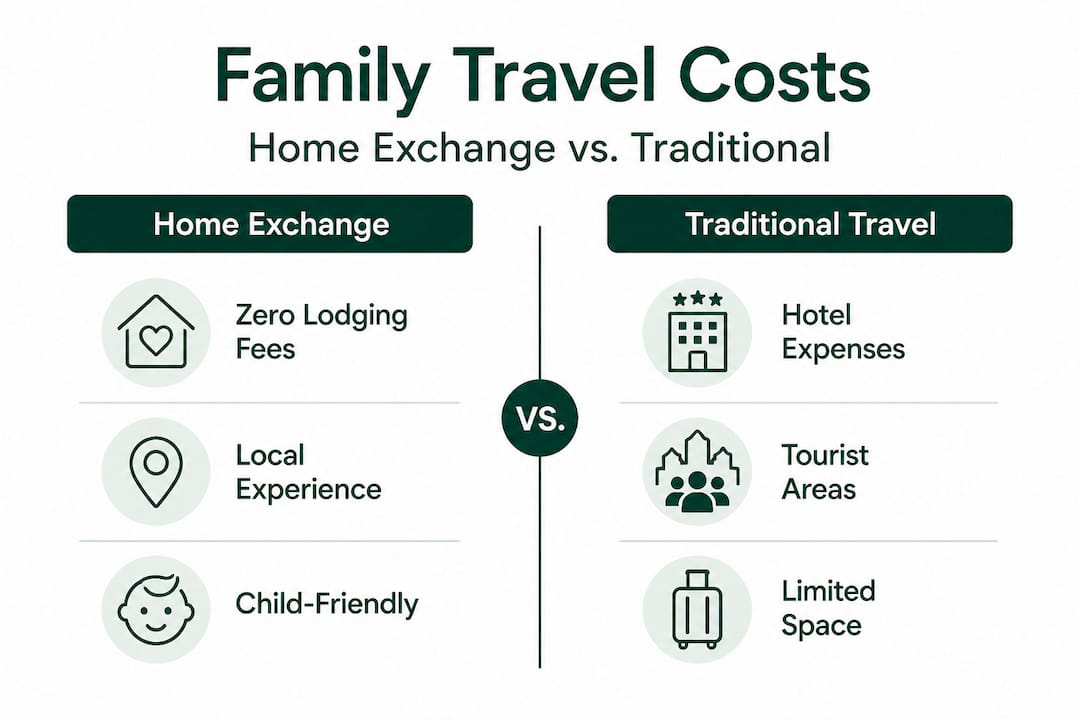
The most persuasive argument for home exchange is financial. A family of four travelling to a popular European city for two weeks might spend between £1,500 and £3,000 on accommodation alone if they book through a standard rental platform or hotel. That budget, freed up by a home swap, can be redirected into experiences, meals, activities, and extended stays.
| Factor | Home exchange | Holiday rental | Hotel |
|---|---|---|---|
| Nightly accommodation cost | Free (during reciprocal swap) | £100 to £300+ per night | £150 to £400+ per night |
| Kitchen access | Full kitchen available | Usually available | Rarely available |
| Space for children | Multiple rooms typical | Variable | Limited; often one room |
| Local knowledge from host | Included | Rarely provided | Not provided |
| Environmental impact | Low (existing home used) | Medium | Higher (commercial operation) |
| Sense of community | High; direct relationship with host family | Low | Very low |
Families who have completed several swaps often describe a qualitative shift in how they experience destinations. Rather than moving between tourist attractions, they shop at the same market as their neighbours, walk children to local playgrounds, and eat at the restaurants that residents actually frequent. That kind of immersion is difficult to replicate with any amount of money spent on a curated travel package.
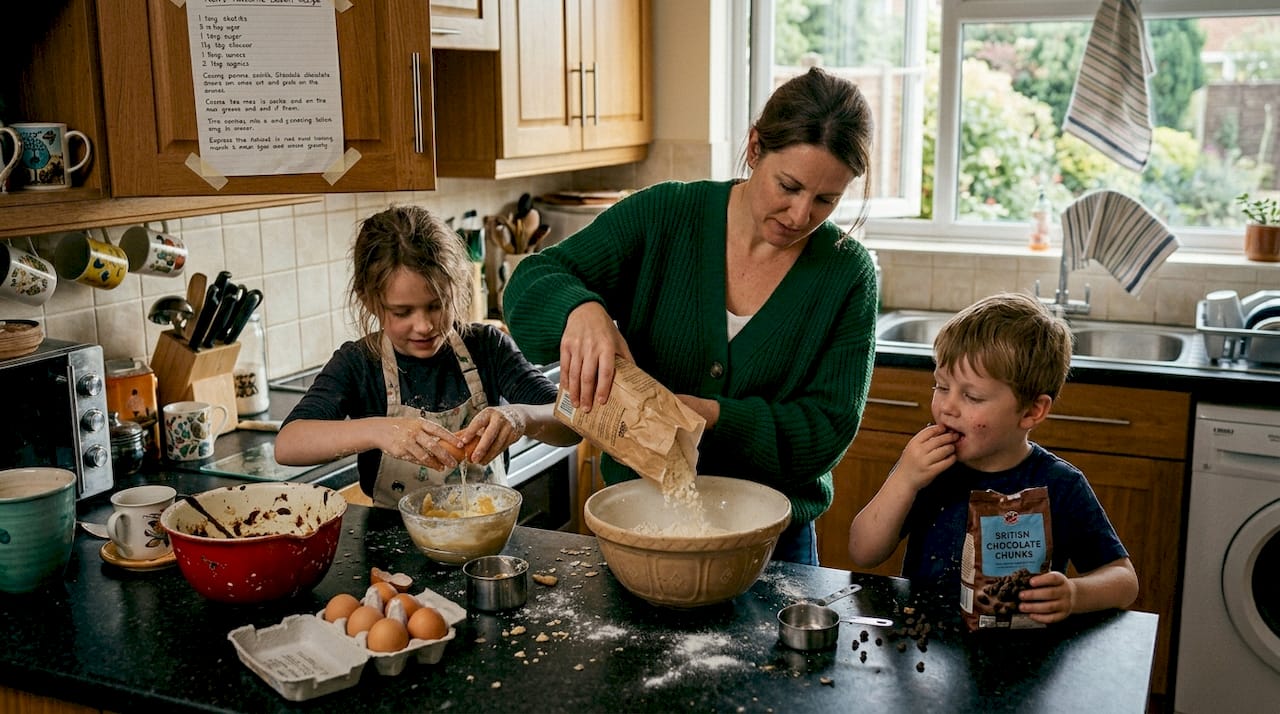
For families with young children particularly, the child-friendly nature of exchanged homes is a significant practical advantage. A toddler travelling to Paris is better served by a flat with a high chair, a cot, and a quiet garden than by a hotel room with a cot squeezed between two double beds. Smarter affordable travel consistently involves thinking about the quality of daily life at a destination, not just the headline attractions. Detailed breakdowns of home exchange savings confirm that families who swap regularly are saving thousands annually on accommodation costs alone.
The sustainability argument also holds up in direct comparison. Home exchanges generate no demand for new hospitality infrastructure, use existing homes and their existing carbon footprints, and tend to encourage longer stays that reduce the per-day environmental cost of travel.
Why family home exchange works better than you might think
Here is an honest perspective, drawing on what the community consistently tells us: the biggest barrier to home exchange is not safety, logistics, or finding a match. It is the psychological discomfort of letting go.
Most first-time concerns about home exchange are rooted in the desire for absolute control over a personal space. That is understandable. Your home is personal, full of things that carry meaning, and it feels exposed when strangers are in it. But the evidence, drawn from thousands of completed swaps globally, shows that the actual rate of problems is extremely low. The vocal minority who share negative experiences online represent a small fraction of the total exchange community, while the vast majority of swappers complete exchange after exchange with no issues worth reporting.
What experienced exchangers frequently describe is a gradual shift in perspective. After the first successful swap, the anxiety reduces substantially. After three or four, most families wonder why they ever paid for accommodation at all. The community perspective is consistent: trust, once established, compounds over time and across the broader network.
The community culture also acts as a self-regulating mechanism. Members who treat homes poorly do not receive positive references and quickly find themselves unable to secure further swaps. That social accountability is arguably more effective than any formal enforcement system. The incentive to behave well is direct and immediate because your own future travel depends on it.
Home exchange is not a perfect system, and it is not for everyone. But it is a far safer, more practical, and more enjoyable option than most families imagine before trying it for the first time.
Ready to begin your family’s home exchange adventure?
Everything covered in this guide points in one direction: home exchange is a practical, proven, and enjoyable way for families to travel more affordably and more meaningfully. The question is simply where to start.
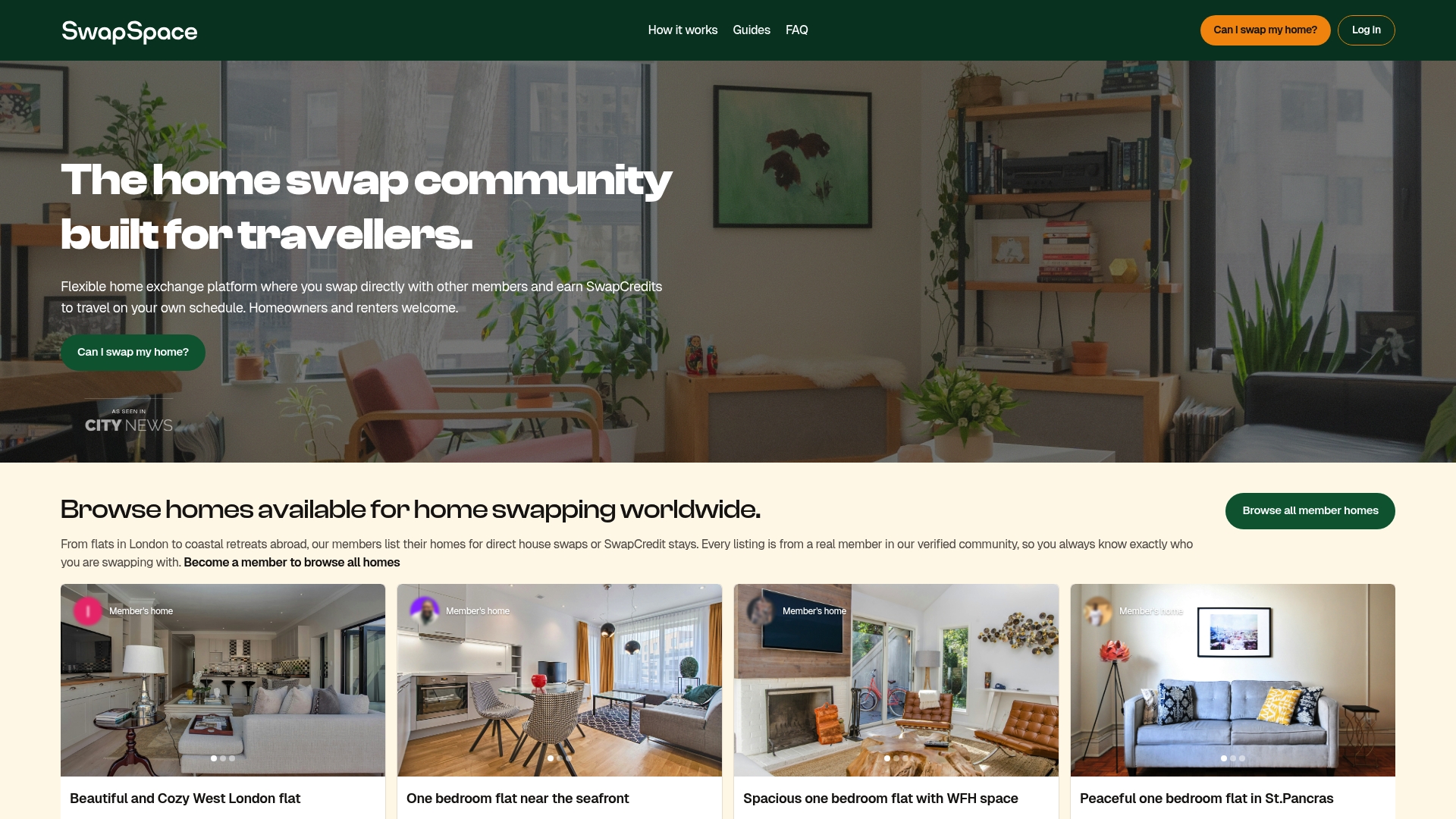
SwapSpace is built precisely for families like yours, offering a verified, invite-only community where identity checks, a global home listing database, and a SwapCredits system give you the flexibility to travel on your terms. Whether you are planning a city break or a longer cultural stay, you can explore how home exchange works and take the first step towards your next trip without the accommodation bill. Apply to SwapSpace today and join a community that makes the world feel a great deal more accessible.
Frequently asked questions
Is home exchange safe for families?
Home exchange is widely regarded as safe, with verified member communities, identity checks, and clear etiquette standards making the vast majority of swaps straightforward. Experienced exchangers with over 100 completed swaps consistently report no serious incidents.
How much money can families save with home exchange?
Families save the full cost of accommodation during a reciprocal swap, which can easily amount to thousands of pounds on a single trip. With families the fastest-growing demographic in the home exchange space, the financial appeal is clearly resonating widely.
What preparation is needed before a home exchange?
You should create an accurate listing with realistic photos, arrange a video call with your swap partner, agree on house rules covering items such as perishables and private spaces, write a thorough house manual, and deep clean before and after the exchange.
Are home exchanges suitable for families with young children?
Yes, absolutely. Many home exchange partners are themselves families, meaning properties often come equipped with cots, high chairs, toys, and child-safe gardens. Platforms allow families to filter listings by relevant features, making it straightforward to find a genuinely suitable match for families with young children.
