

TL;DR:
- Proper preparation ensures a confident and smooth home exchange experience.
- Focus on high-touch areas like entryway, kitchen, bathroom, and bedrooms for guest comfort.
- Clear labels, safety checks, and communication prevent misunderstandings and enhance trust.
Picture this: you’ve matched with a lovely family in Barcelona, your swap dates are confirmed, and your excitement is building. Then a quiet worry creeps in. Is your home actually ready for guests? Will they find the boiler instructions? Have you left enough space in the wardrobe? For first-time home swappers, these questions are entirely normal. The good news is that thorough preparation is what separates an anxious wait from genuine confidence. This guide takes you through every step, from initial readiness checks to your final walk-through, so both you and your guests can enjoy the experience fully.
Table of Contents
- What you need before you start
- Step-by-step: getting your home exchange-ready
- Safety, security, and comfort: what not to miss
- Communication and house rules for a smooth swap
- Final walk-through and verification before exchange
- Why real comfort matters more than perfection in home exchanges
- Ready to list your home? The next step for successful swaps
- Frequently asked questions
Key Takeaways
| Point | Details |
|---|---|
| Prioritise guest comfort | Focus preparation on arrival-critical areas like entry, kitchen, and bedrooms for the best guest feedback. |
| Communicate clearly | House rules and instructions should be accessible and unambiguous for a smooth exchange. |
| Don’t stress perfection | Guests value ease and comfort over spotless, hotel-like conditions, so safe, tidy, and friendly is enough. |
| Last-minute checks matter | A final walk-through prevents missed details and ensures your home is ready to welcome its next visitors. |
What you need before you start
Now that you understand why thorough preparation matters, let’s look at what you actually need before your first exchange. Before you even think about scrubbing the kitchen tiles or writing a welcome note, it helps to step back and assess your home honestly.
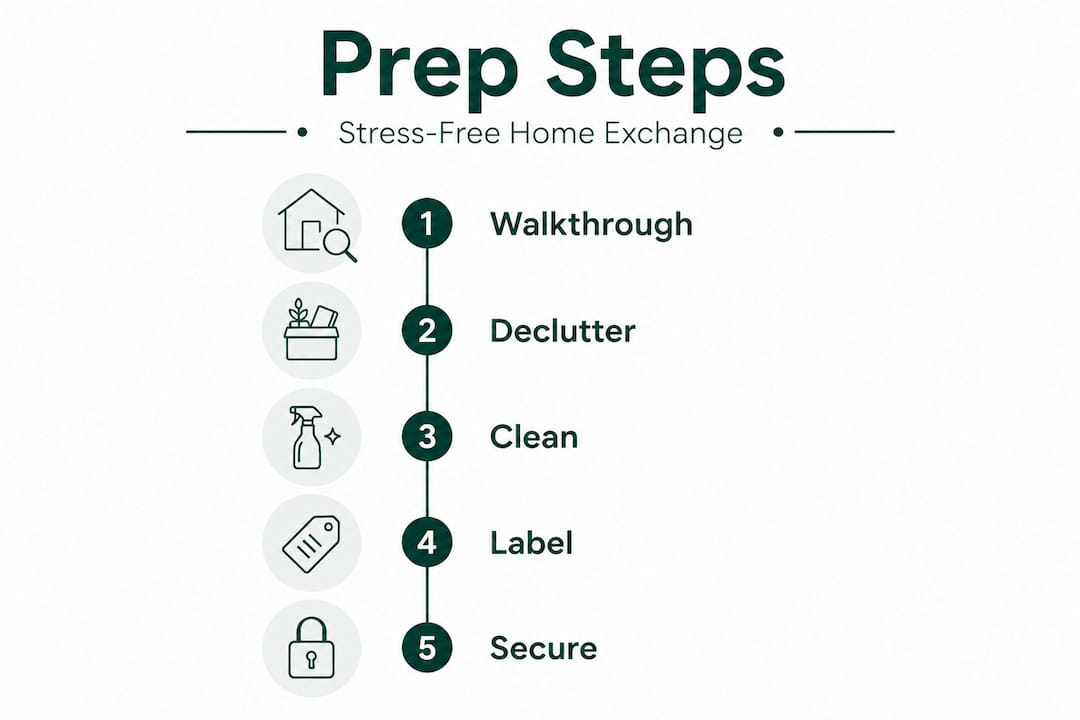
Start by walking through each room with fresh eyes, as though you’re arriving there for the very first time. Ask yourself whether a visitor would find the space intuitive and comfortable. Are there appliances without obvious instructions? Are any rooms cluttered in a way that limits usable space? Reviewing your home this way surfaces issues you’d otherwise overlook because you’ve simply grown used to them.
Understanding home exchange concepts is also essential at this stage, because how you prepare depends on the type of swap you’re doing. A simultaneous exchange, where both parties swap at the same time, requires particularly tight coordination. A non-simultaneous swap, where you host at different times, gives you a bit more flexibility.
Here’s a quick comparison of minimum versus optimal preparation, so you know what you’re working towards:
| Area | Minimum standard | Optimal standard |
|---|---|---|
| Kitchen | Clean surfaces, basic supplies | Labelled appliances, stocked essentials |
| Bathrooms | Clean, fresh towels | Spare toiletries, labelled products |
| Bedrooms | Clean linens, empty drawer space | Spare blankets, good lighting |
| Entryway | Clear access, key instructions | Welcome note, local maps, contacts |
| Documentation | Basic WiFi details | Full house manual, emergency contacts |
As the guidance at Weekends Top notes, “optimising for guest experience” in high-touch areas is more important than showroom perfection. Guests don’t need your home to look like a boutique hotel. They need it to be functional, clean, and easy to navigate.
Before you start the physical prep, gather these essentials:
- Appliance manuals or written operating instructions for any complex equipment
- Emergency contacts: a trusted neighbour, your building manager, or a local friend
- Utility account details in case of unexpected issues with heating, water, or electricity
- Local transport information: bus routes, nearby taxi services, and station locations
- A list of recommended local restaurants, shops, and attractions
Having this information ready before you begin will make every subsequent step feel far more manageable.
Step-by-step: getting your home exchange-ready
With your essentials sorted, here’s how to systematically prepare each space in your home. Treat this as a structured process rather than a frantic last-minute rush, and you’ll achieve a genuinely comfortable result.
-
Entryway and access: Ensure the entry is clear of clutter and well-lit. Leave clear instructions for the key handover, whether that’s a lockbox code, a digital keypad, or a key left with a neighbour. Label the main entry key and any secondary keys for communal areas or post boxes.
-
Kitchen preparation: Wipe down all surfaces, clean the hob and oven, and empty the fridge of perishables. Leave a small selection of staple pantry items such as oil, salt, pepper, tea, and coffee. Label any appliances that aren’t immediately intuitive, particularly unfamiliar coffee machines or built-in ovens with unusual settings.
-
Bathroom readiness: Deep clean all bathroom surfaces, including behind the toilet and around the base of taps. Provide fresh towels, spare toilet rolls, and a small selection of basic toiletries. If your shower has particular quirks, like a separate pressure control or a slow drain, note these clearly.
-
Bedroom comfort: Make up beds with freshly laundered linens. Clear adequate wardrobe and drawer space so guests aren’t living out of suitcases. Leave spare blankets accessible, particularly in winter months.
-
Living spaces and general areas: Tidy surfaces and ensure seating is clean and comfortable. Provide the WiFi password prominently, ideally on a printed card near the router. Leave a local area map and any transport cards guests may use.
Here’s a helpful reference for timing your preparation tasks:
| Task | Recommended timing |
|---|---|
| Deep cleaning | 2 to 3 days before exchange |
| Appliance labelling | 1 week before |
| House manual preparation | 2 weeks before |
| Valuables secured | 1 week before |
| Welcome note written | Day before |
As the step-by-step home exchange process shows, clear and timely preparation prevents last-minute stress for both parties.
“Prioritising safety and clear labels is essential for a positive guest arrival.” — Weekends Top
Pro Tip: Use sticky labels or small laminated cards near appliances rather than a single instruction booklet. Guests are far more likely to notice a label right next to the item than to hunt through a folder for the relevant page.
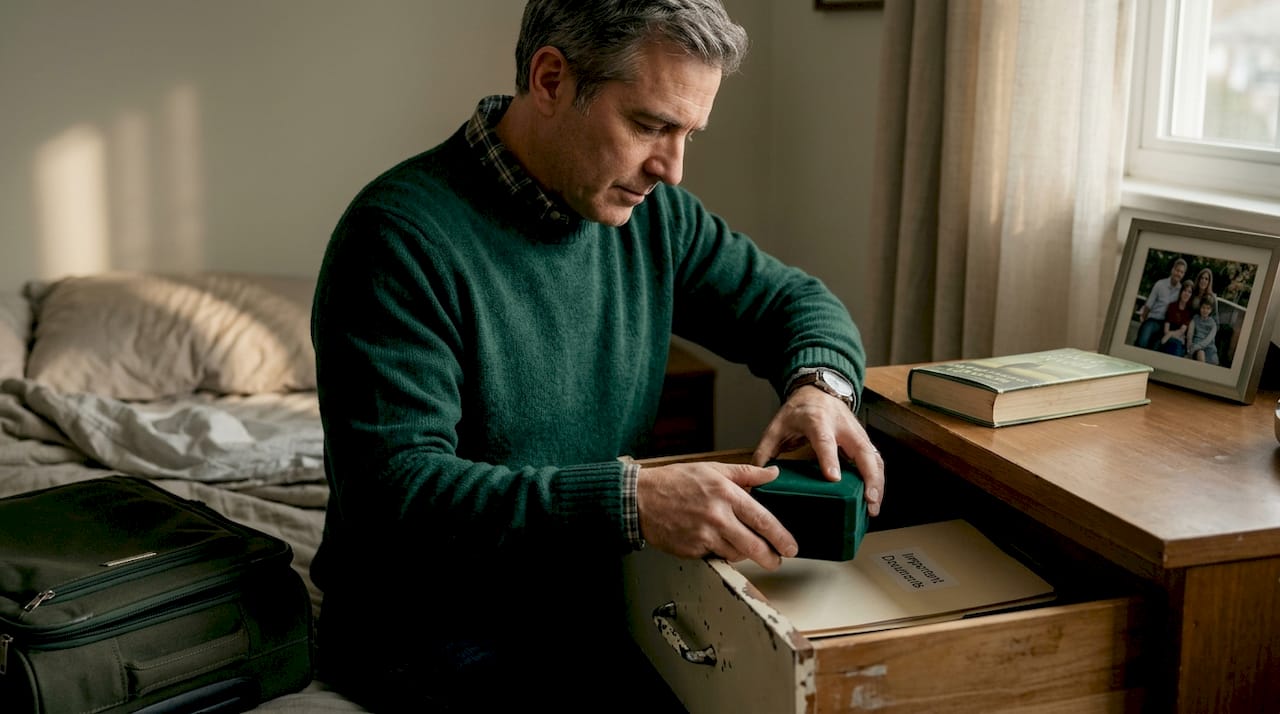
Securing valuables is a step that many first-timers forget until the last moment. Lock away or remove jewellery, financial documents, irreplaceable sentimental items, and any medications you’d prefer guests not to access. Dedicate one lockable cupboard or room to private storage. Be transparent about this in your house manual — guests will appreciate the honesty rather than feeling distrusted. Home exchange safety tips consistently highlight this as one of the most important steps for confident hosting.
Safety, security, and comfort: what not to miss
Having covered the main practical steps, ensure you don’t miss the crucial details that elevate the guest experience and protect your peace of mind.
Safety checks are non-negotiable. Test your smoke alarms and carbon monoxide detectors before every exchange. Check that fire extinguishers are in date and accessible, and ensure your guests know where they are. Leave emergency service numbers clearly posted in the kitchen, alongside the address of your home, so a guest in an unfamiliar city can communicate your location quickly.
Security basics to address include:
- Locks: Ensure all exterior doors and windows lock properly. If any lock is stiff or unreliable, replace it before the exchange.
- Alarm systems: If your home has an alarm, leave clear written instructions for arming and disarming. If the code is sensitive, share it privately and change it after the exchange.
- Digital keypads: These are increasingly popular among home exchangers because they eliminate the need to post physical keys and allow you to change the code remotely after each swap.
- WiFi security: Use a separate guest network if your router supports it, keeping your primary network and connected devices private.
Comfort is where many hosts underestimate the impact of small details. Guests notice when bedding is plentiful, when the heating is easy to adjust, and when the kitchen has enough equipment to cook a proper meal. Stock the kitchen with basics: a sharp knife, a decent chopping board, a pot and pan, and a baking tray. These seem obvious, but a kitchen missing essential tools is a common source of guest frustration.
“Focus efforts on arrival-critical zones and clear boundaries to boost both safety and guest satisfaction.” — Weekends Top
Trusted home exchange tips also emphasise the importance of the arrival process specifically. The first thirty minutes of a guest’s stay set the tone for everything that follows. A home that’s easy to enter, clearly labelled, and welcoming in feel creates immediate confidence. A home where guests can’t find the light switches or can’t get the heating to work does the opposite.
Common mistakes to avoid:
- Leaving appliance instructions vague or written only in your own shorthand
- Forgetting to leave local emergency contacts alongside general ones
- Assuming guests know how to use your boiler, smart meter, or satellite television
- Omitting information about rubbish collection schedules or recycling requirements
- Not clarifying which rooms or storage areas are off limits
Research consistently shows that secure home swaps are built on clarity rather than assumption. Every detail you document in advance is one less potential misunderstanding.
Communication and house rules for a smooth swap
Now that your home is physically ready, make sure your guests also understand how to navigate your space and the expectations you’ve set. Clear communication before and during the exchange is what keeps the relationship positive and prevents friction.
Your house manual is the cornerstone of guest communication. Think of it as a straightforward guide to living in your home. It should cover:
- Appliance instructions: how to operate the heating, oven, washing machine, and any other key items
- WiFi details: network name and password
- Key contacts: a trusted neighbour, your mobile number, and a local emergency contact
- House rules: noise expectations, smoking policy, pet policy, and any rooms or items that are off limits
- Rubbish and recycling: collection days and bin locations
- Local essentials: nearest supermarket, pharmacy, GP surgery, and public transport options
House rules should be communicated positively and practically, not as a list of prohibitions. For example, rather than writing “No noise after 10pm,” you might write “Our neighbours are friendly but appreciate quiet evenings, so please keep noise low after 10pm.” Tone matters. Guests are sharing your home as fellow travellers, not tenants.
Clear boundaries and labelling help keep guest and host expectations aligned, which is why setting them clearly and warmly in advance is always worthwhile.
Establish an emergency communication channel with your guest before they arrive. A shared messaging thread, with the agreement to respond within a few hours, works well for most situations. For urgent matters, a direct phone number is essential. Being part of a verified invite-only home exchange community, as SwapSpace offers, adds an extra layer of accountability to these communications, because both parties have confirmed identities and reputations to maintain.
Finally, remember that hospitality is an attitude, not just a checklist. A warm and genuine tone in your written communications, from your initial swap message through to your house manual, builds the kind of trust that leads to repeat exchanges and glowing reviews within your home exchange community.
Final walk-through and verification before exchange
Before the swap actually starts, take these final steps to ensure a smooth handover.
- Repeat the guest’s-eye walk-through: Go through every room once more, checking that everything you planned to prepare is actually done. Surfaces clean, labels in place, valuables secured.
- Test all access points: Try the front door key or keypad code yourself. Check that all windows close and lock. Confirm that any shared door fobs or lift keys are set aside for your guest.
- Verify appliances are functioning: Turn on the heating, run the hot water briefly, test the WiFi, and check that the washing machine completes a cycle without error.
- Confirm your house manual is current: Ensure the manual reflects any recent changes, such as a new broadband password or an updated recycling schedule.
- Write your welcome note: Keep it personal and warm. Mention one or two local recommendations that you genuinely love. A handwritten note on the kitchen table is a small gesture with a disproportionately positive impact.
- Check local support availability: Confirm that your trusted neighbour or local contact is available during the guest’s stay and has your guest’s contact details too.
As studies into why home swaps are safe consistently show, the most successful exchanges are those where both parties have invested in preparation and communication equally. Your final walk-through is the moment you confirm that investment.
Why real comfort matters more than perfection in home exchanges
Having walked through every technical detail, it’s worth stepping back to reflect on what experienced home swappers have consistently learned: the pursuit of perfection is one of the most common barriers to getting started, and it’s almost always unnecessary.
New exchangers frequently worry about things that guests rarely notice or mind. A scuff on the skirting board, a slightly dated kitchen, or a bathroom with older fittings simply don’t register as problems for guests who are saving hundreds of pounds on accommodation and enjoying a genuinely local experience. What guests do notice, and what earns consistently strong feedback, is the effort put into making their stay clear, comfortable, and easy.
Expert guidance is unambiguous on this point: focus on arrival-critical areas rather than unattainable perfection. The entryway, the kitchen, the bathroom, and the bedroom are where guests spend their time and form their impressions. A spotless oven and a well-stocked fridge matter more than a freshly painted front room.
Transparency also builds trust in ways that cosmetic perfection cannot. If your shower pressure is slightly low, mention it. If the third stair creaks, note it in the manual. Guests appreciate honesty because it tells them you’ve thought carefully about their experience. It also removes the awkward moment where a guest discovers a quirk and wonders whether they should mention it.
The home exchange platform features designed by trusted platforms support this kind of transparent, relationship-centred approach. Verified profiles, member reviews, and direct messaging all reinforce the understanding that home swapping is fundamentally a human exchange, built on mutual respect rather than anonymous transactions.
A relaxed and honest host attitude doesn’t just benefit guests. It benefits you too. When you stop trying to hide every imperfection and start focusing on what genuinely serves your guests, the whole process becomes more enjoyable and far less stressful.
Ready to list your home? The next step for successful swaps
Your home is ready, your confidence is high — now bring your travel dreams to life.
SwapSpace is a trusted home swap platform built for exactly the kind of prepared, community-minded traveller you’ve become. Whether you’re swapping your city flat for a coastal cottage or earning SwapCredits by hosting while you travel elsewhere, the platform connects verified members worldwide in a safety-first, invite-only environment. You can browse a global listing database, communicate directly with potential swap partners, and manage your exchanges with full identity verification at every stage. If you’re ready to take the next step, explore how home swaps work and apply to join the SwapSpace community today.
Frequently asked questions
What should I remove from my home before an exchange?
Remove valuables, sensitive personal information, and anything you do not wish guests to access to ensure peace of mind. Clear boundaries and safety in all areas are essential for a confident and successful exchange.
Is deep cleaning necessary before a home swap?
A thorough clean, particularly of the entry, kitchen, bathroom, and bedrooms, is essential for a positive guest experience. Guest experience hinges on the cleanliness of high-touch areas more than any other factor.
How can I make my home feel welcoming to exchange guests?
Provide clear instructions, local recommendations, and a small welcome gift or note to help guests settle in comfortably. Guest comfort and clear communication consistently earn the most positive feedback from experienced home swappers.
What are common mistakes in preparing for a home exchange?
Forgetting to label key appliances, failing to secure valuables, and omitting emergency contacts are the most common pitfalls. Clear boundaries, labelling, and accessible information are the simplest ways to avoid these errors before your guests arrive.
Recommended
- Essential home exchange safety tips for trustworthy swaps | Swap Space Blog
- Home exchange step by step: Your guide to safe, affordable swaps | Swap Space Blog
- Home exchange concepts: smarter, affordable travel in 2026 | Swap Space Blog
- Plan your perfect house swap: step-by-step workflow | Swap Space Blog
